
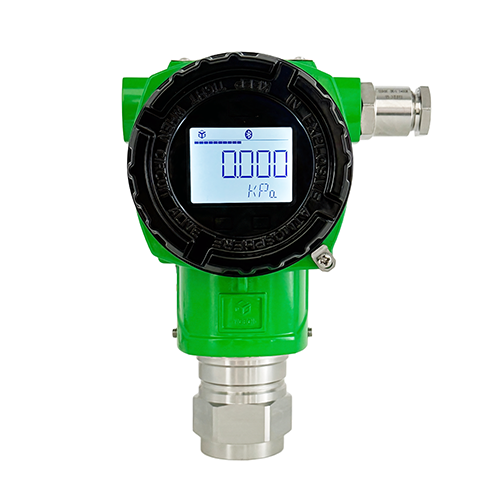
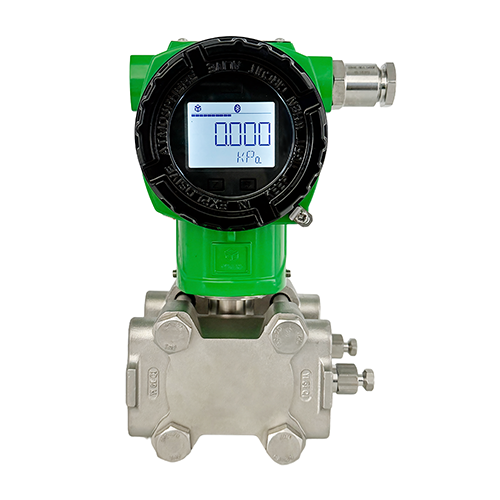
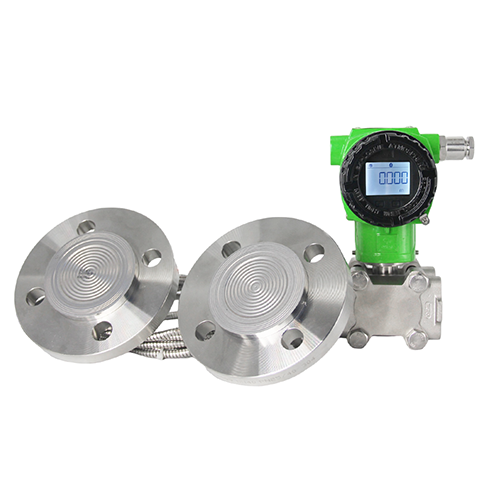
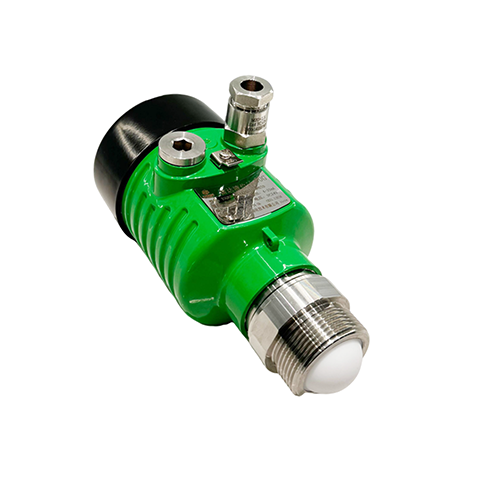
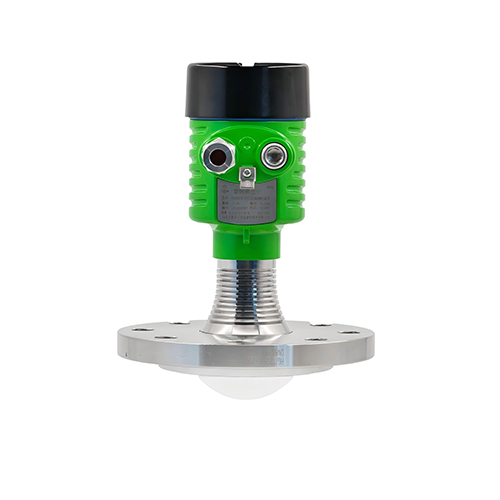
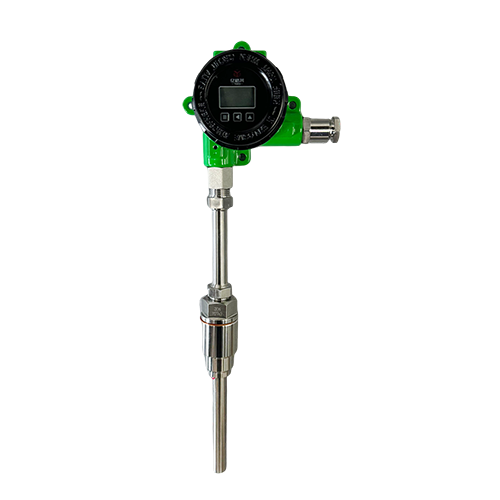
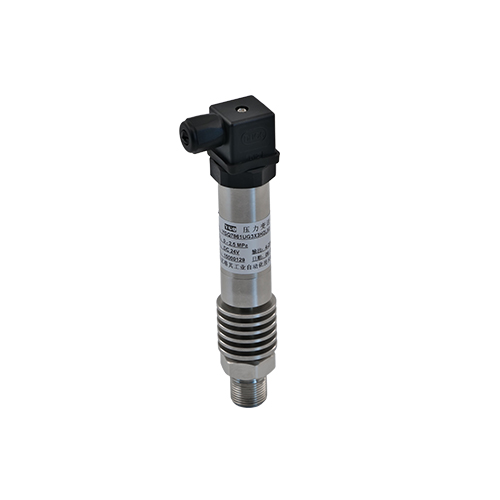
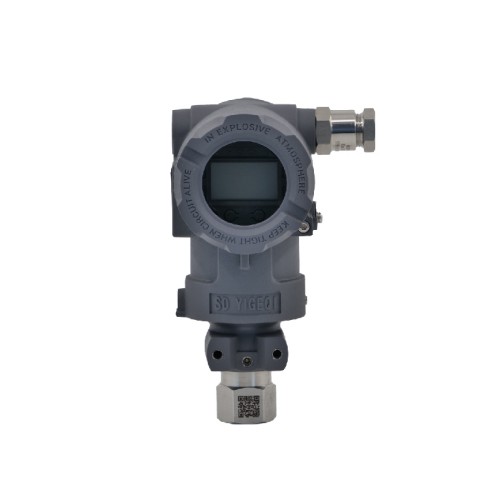
With the increasingly strict requirements of fine chemical industry on production process control, safety and environmental protection and product quality, high-frequency radar level meter is gradually replacing traditional measuring instruments in the field of additives due to its excellent performance, and has become a key technology to improve production safety and efficiency in the field of fine chemical additives.
The production of fine chemical additives presents significant challenges. Materials vary in complex forms, ranging from fine powders and viscous slurries to corrosive liquids. The process conditions are demanding, often involving high temperatures, high pressure, intense agitation, and volatile vapors within reactors. Moreover, traditional level sensors frequently show weak signals and inaccurate measurements for plastic particles or dry powders with extremely low dielectric constants. These factors not only make it difficult to ensure precise material feeding and affect product consistency, but also pose hidden safety risks such as tank overflows and vacuum leaks.
Breakthrough: High-frequency radar level meters provide an ideal solution.
Non-contact and highly adaptable: As a non-contact measuring instrument, radar level meters completely avoid direct contact with materials, are not affected by material adhesion, corrosion or wear, and have a longer life and less maintenance.
Strong penetration and high anti-interference: Radar waves can easily penetrate steam, dust, and foam generated during the measurement process, reaching the actual material surface. Advanced digital signal processing technology can effectively identify and suppress false echoes from internal obstacles such as mixers and heating coils, ensuring stable and reliable readings.
High precision and narrow beam: The 80GHz radar level gauge features an ultra-narrow beam angle (as low as 3°), effectively avoiding interference and concentrating energy on the measurement medium. This enables robust reflection signals even when measuring low dielectric constant particles like plastic or toner, achieving millimeter-level accuracy.
Inherently safe and robust: The instruments are typically equipped with fully sealed PTFE (polytetrafluoroethylene) coatings or stainless steel antennas, featuring corrosion resistance, protection ratings, and explosion-proof certification, making them fully suitable for flammable and explosive environments in fine chemical industries.
With the continuous progress of technology and further optimization of cost, high-frequency radar level meter is bound to take root in a wider range of fine chemical fields, driving the whole industry to accelerate towards a more efficient, safer and intelligent future.
