
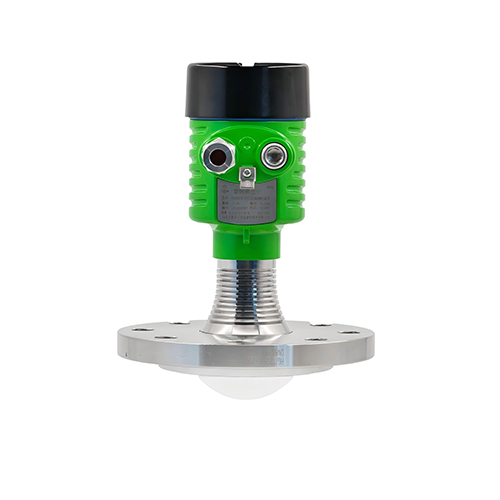
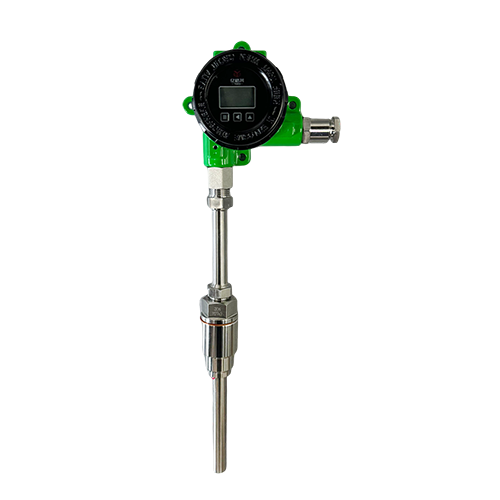
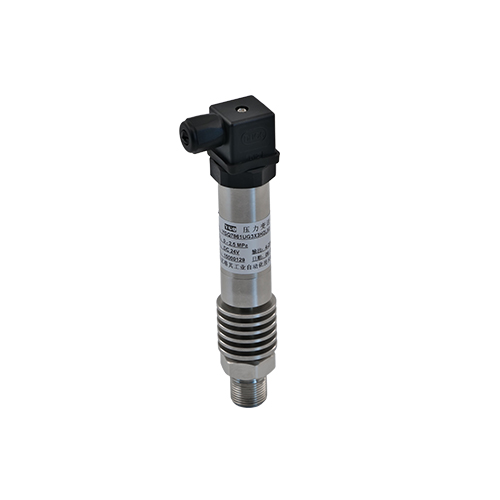
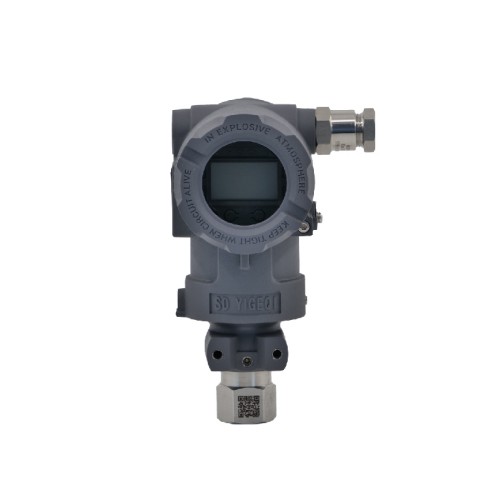
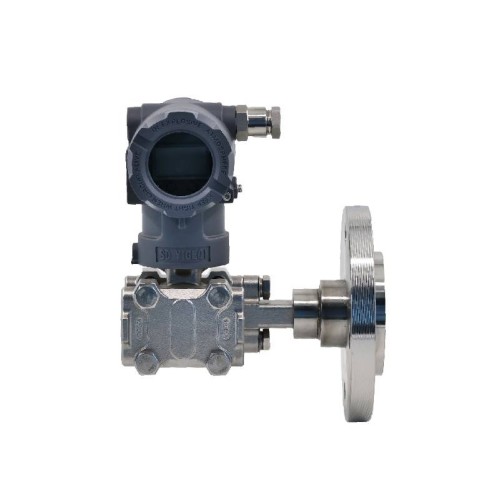
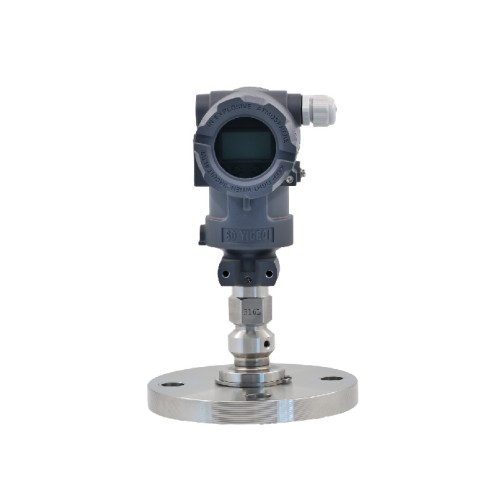
Equipment Parameter Compatibility:
Operating Frequency: Low-frequency radar is suitable for large storage tanks, with an accuracy of ±5-10mm; high-frequency radar has good directivity, and its accuracy can reach ±1-3mm in small container scenarios, requiring selection based on the specific scenario.
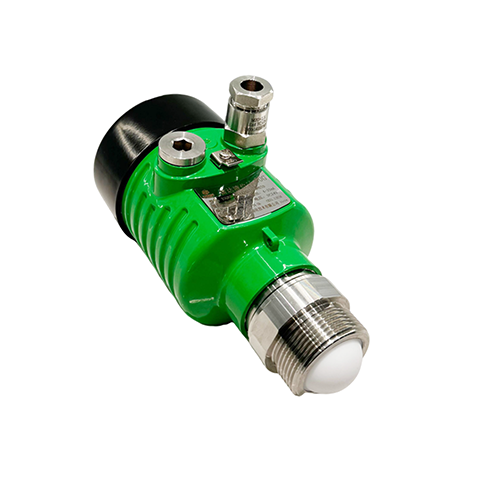
Probe Condition: Material buildup, frost, corrosion, etc., on the probe can cause signal attenuation or abnormal reflection, affecting measurements. Regular cleaning is necessary, and it must be ensured that the probe material is compatible with the material.
Installation Standards:
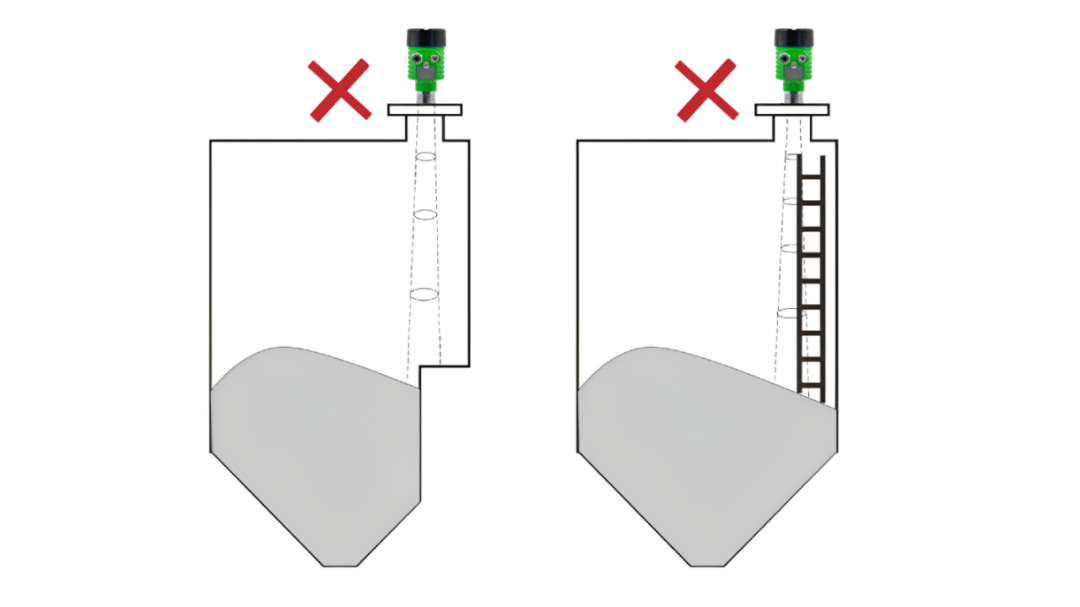
Avoid Interference Sources: During installation, avoid objects within the radar beam range, such as stirring blades, protrusions, ladders, steps, etc., to prevent them from generating interference signals that could affect the normal operation of the equipment.
Control distance:
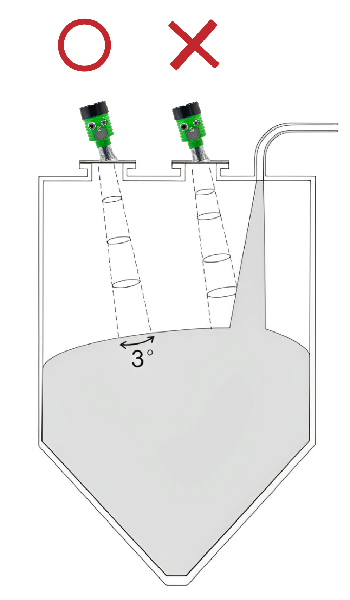
The instrument should be installed at least 200mm away from the container wall, otherwise erroneous readings are likely to occur.
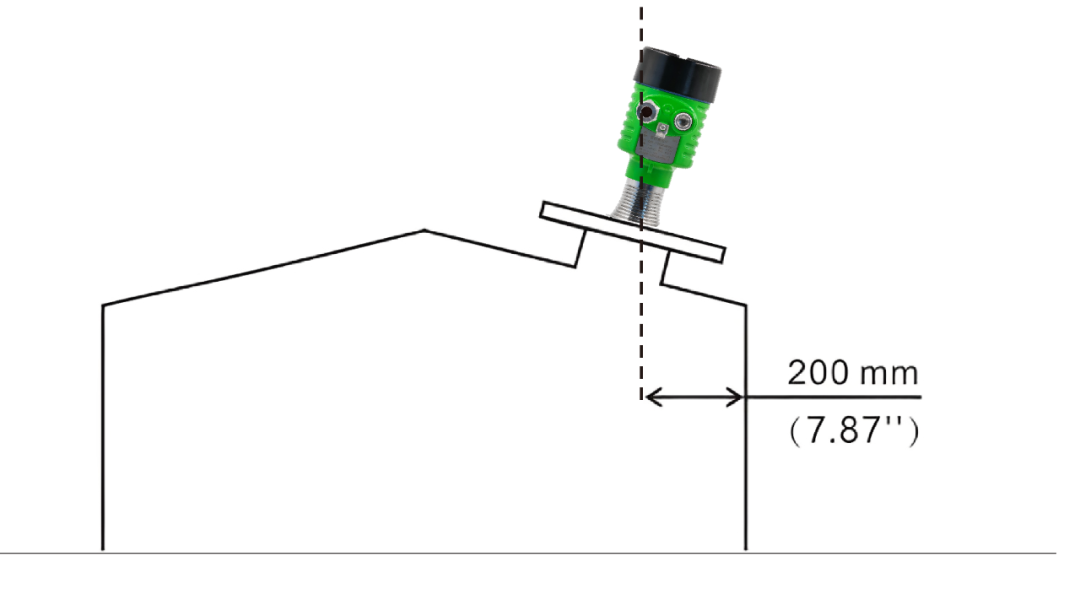
Material Properties and Their Influence:
1. Liquid Surface Condition: Foam and film formation can cause deviations in reflected signals; in layered interface measurements, the lower dielectric constant of the lower liquid layer may affect accuracy.
2. Vapor and Volatilization: Vapor generated by highly volatile or high-temperature materials can attenuate radar waves, leading to signal weakening and measurement fluctuations.
3. Viscosity and Flowability: High-viscosity materials are prone to adhesion and slow surface fluctuations, while low-viscosity materials are easily disturbed by impacts, both of which may interfere with measurements.
Environmental Interference:
1. Electromagnetic Interference: Keep away from frequency converters, high-power motors, and other similar equipment (distance ≥ 5m) to avoid electromagnetic radiation affecting signal transmission.
2. Temperature and Humidity: Extreme temperatures and humidity can alter radar wave velocity or cause condensation on the probe. Ensure the equipment's temperature compensation function is functioning correctly and take necessary protective measures.
Tips:
To ensure the accuracy of your radar level gauge, remember these three steps:
When selecting equipment, consider the frequency – prioritize high-frequency for small tanks/high-precision applications;
During installation, avoid interference – keep it away from the inlet and tank walls, leaving sufficient blind zone;
During use, conduct regular checks – wipe the probe periodically, and use anti-interference accessories (such as anti-fog probes and foam suppressors) when there is steam or foam.
If you have encountered situations where your radar level gauge is "inaccurate," check if these factors are causing the problem.
