
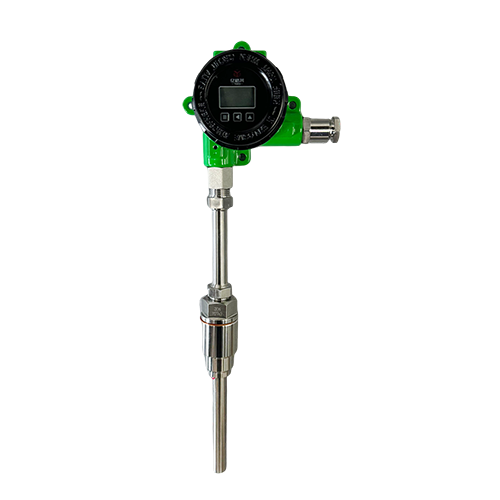
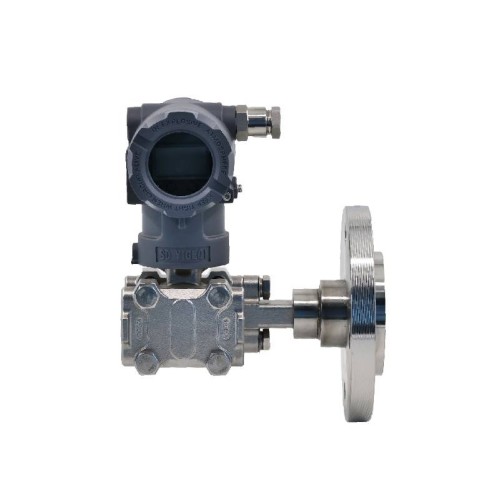
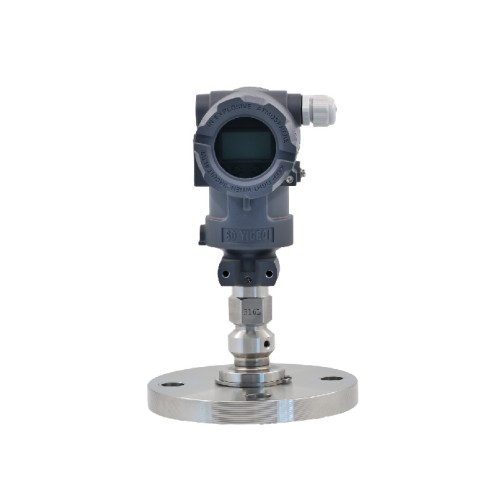
In industrial automation, temperature transmitters serve as the core device connecting temperature sensors and control systems. Their stable operation directly impacts temperature control accuracy. This article will explain their core operating principles and the technical logic behind industrial temperature control.
The temperature transmitter workflow consists of three main steps. The first step is signal acquisition. The device connects to an RTD (Resistor Detector) or TC (Thermocouple) sensor to capture temperature changes in the industrial field. RTDs sense temperature by exploiting the temperature-dependent resistance of metals, while TCs react to temperature through the potential difference generated by the thermoelectric effect between two metals, adapting to diverse temperature measurement requirements ranging from -200°C to 1800°C.
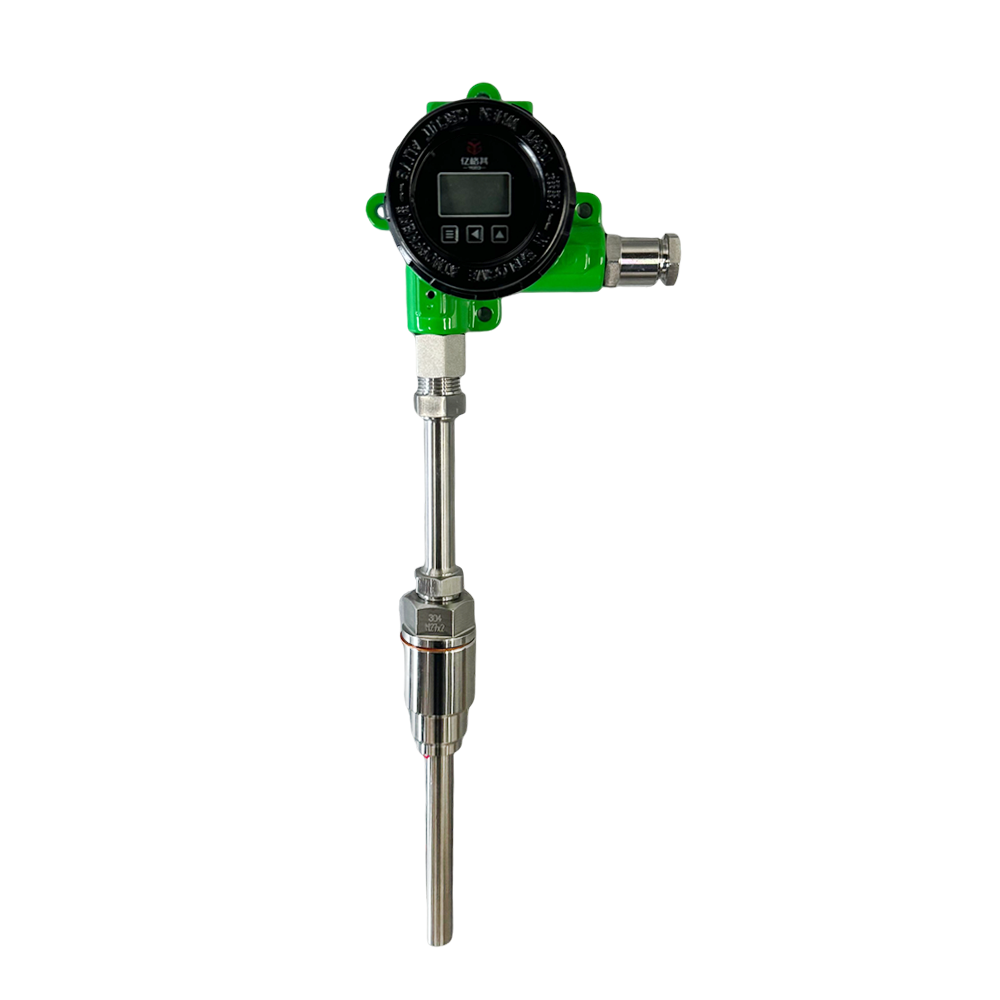
The second step is signal processing and conversion, the "brains" of the transmitter. The weak sensor output signal (resistance or potential difference) first enters a high-precision amplification module to filter out electromagnetic interference from the industrial field. The analog signal is then converted to a digital signal by an A/D converter. Finally, a microprocessor calculates the temperature value and converts it into a 4-20mA current signal or a HART digital signal according to industry standards, ensuring stable data transmission. The third step is signal output and compatibility. To adapt to different control systems, the transmitter supports dual signal output: a 4-20mA analog signal can be directly connected to traditional PLC systems, meeting the needs of older equipment; and the HART protocol enables parallel operation of digital and analog signals. This allows workers to read temperature data in real time and remotely adjust parameters via a mobile app or host computer without on-site disassembly, improving operation and maintenance efficiency.
Notably, to cope with complex industrial environments, Yigeqi's temperature transmitters also incorporate anti-interference features: a built-in lightning protection module protects against lightning strikes, and an IP66 protective casing isolates dust and moisture, ensuring that the signal processing process is not affected by external factors. It is precisely through the efficient coordination of these three steps that temperature transmitters become a "reliable bridge" for industrial temperature control, safeguarding precise production in industries such as chemical, pharmaceutical, and power.
