
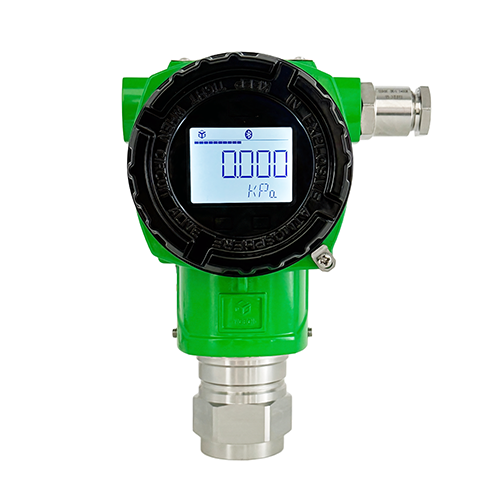
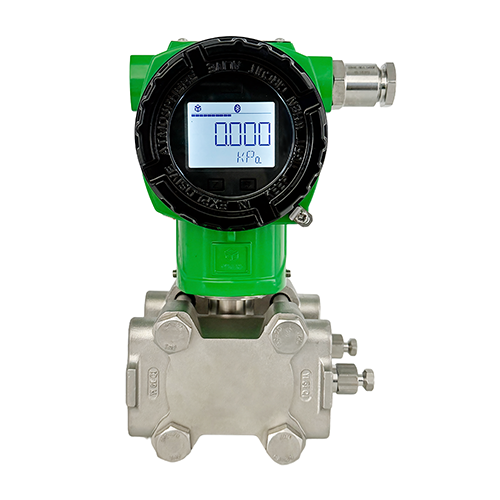
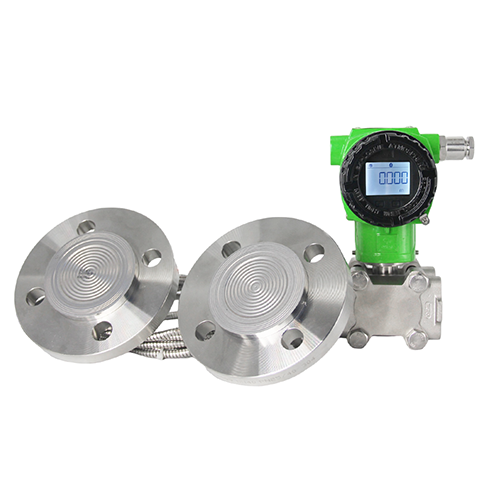
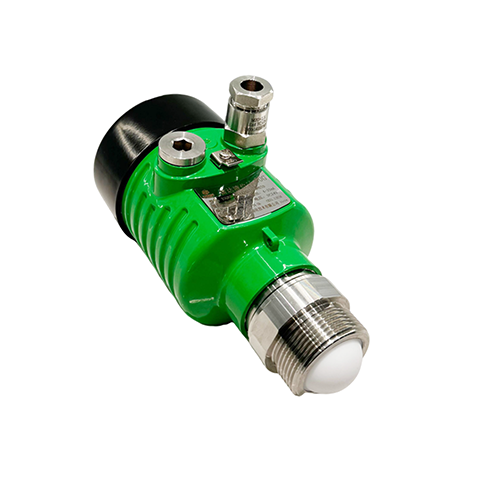
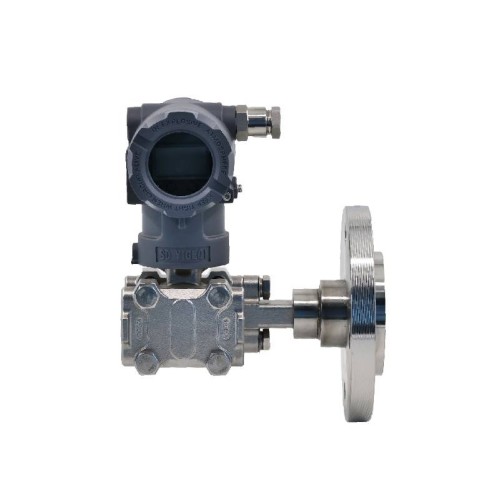
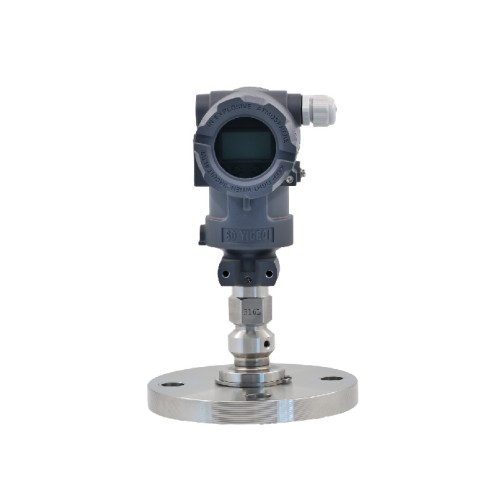
In recent years, the shift toward wireless, lightweight, and cable-free designs has become the hottest trend in the instrumentation industry.
A common misconception is that as wireless transmitters become increasingly widespread, wired systems will eventually be completely phased out.
The answer is clear: they will not.
The ultimate landscape for industrial pressure transmitters will not be one where wireless replaces wired; instead, wired systems will handle core control functions while wireless systems manage peripheral monitoring. These two systems will complement each other and fulfill distinct roles in the long term.
Today, using the industrial pressure transmitter—the most common type of instrument—as a case study, we will conduct an in-depth analysis of the actual pros and cons of wired versus wireless products, their respective application scenarios, and their long-term strategic positioning.
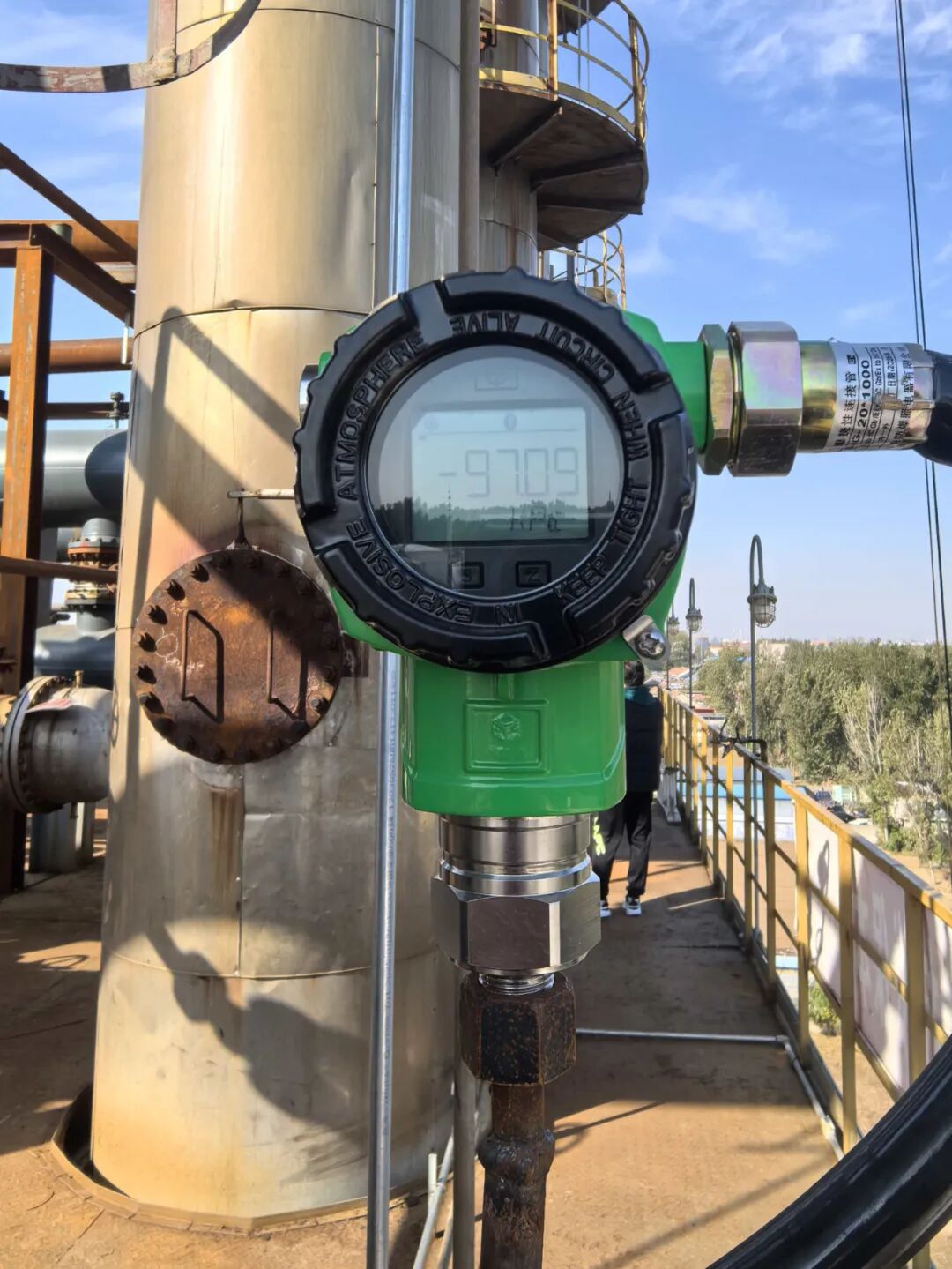
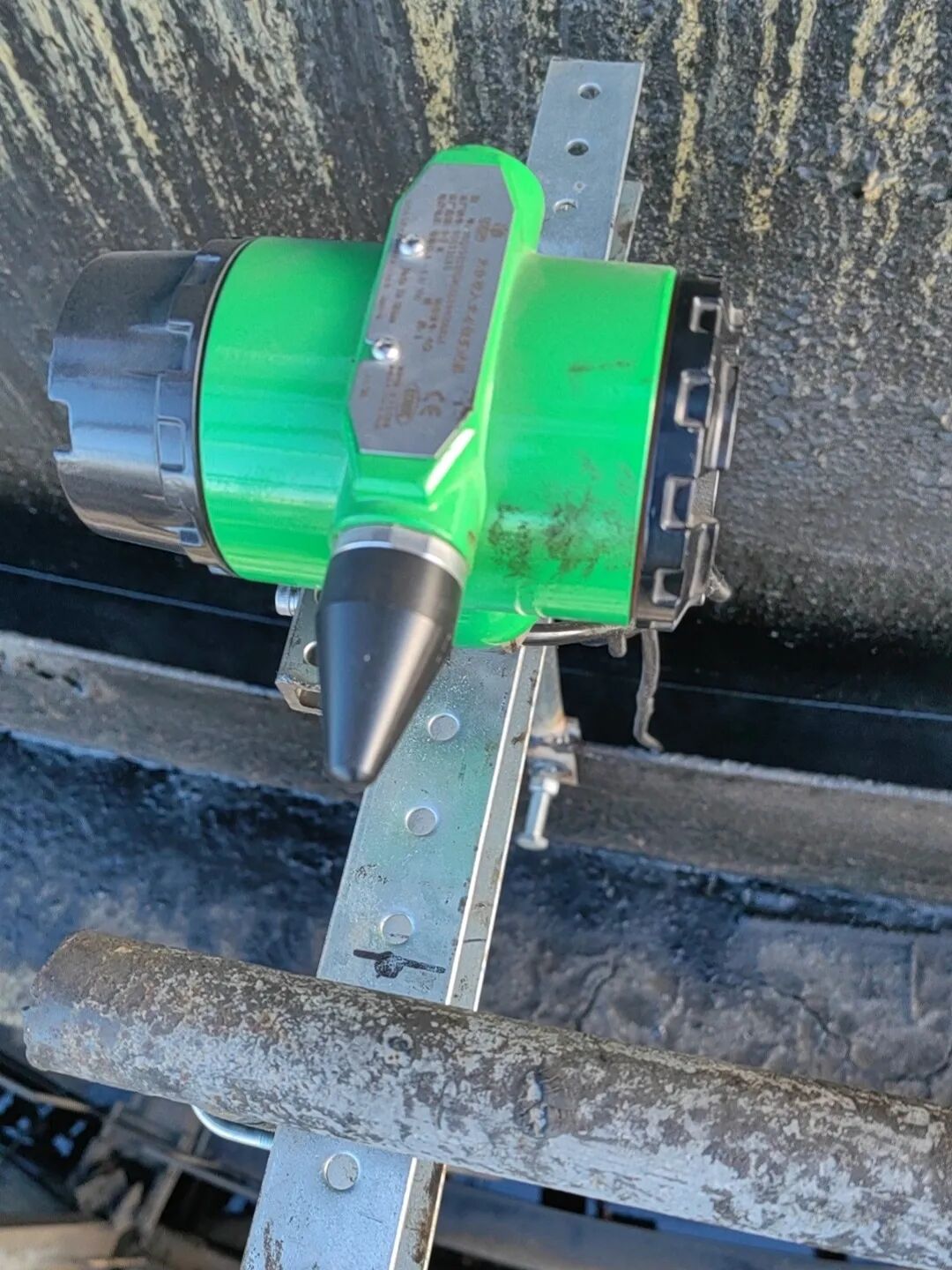
Wired pressure transmitter
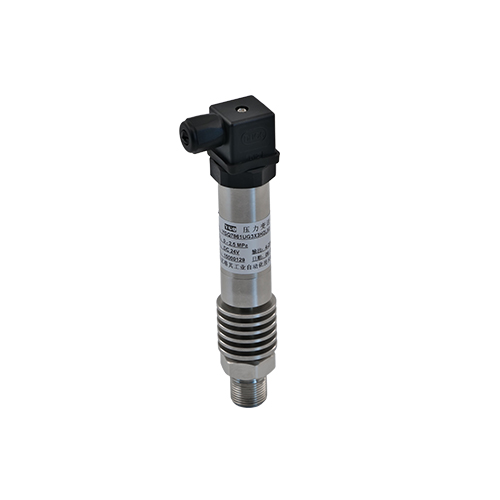
Wired transmitters (4-20mA/HART/RS485) represent a classic solution in industrial automation; while they may appear traditional, they remain fundamental to ensuring plant safety and control, possessing core advantages that wireless devices cannot match.
Core Advantages of Wired Transmitters (Irreplaceable in the Long Term)
1. Superior Real-time Performance and Stability; Ideal for Safety Interlocks and Closed-loop Control
Utilizing a 24V constant-voltage power supply and shielded cabling, these devices offer signal latency under 10ms and virtually zero packet loss, enabling the precise capture of sudden events such as water hammer or instantaneous overpressure.
This meets critical operational needs: regulations mandate the use of wired connections for chemical SIS (Safety Instrumented Systems), PID process regulation, and ESD (Emergency Shutdown) systems.
In contrast, wireless transmission typically suffers from latencies of 100–300ms and random fluctuations, making it unsuitable for closed-loop control or safety interlock applications.
2. Reliable Continuous Power; Lower O&M Costs
External power ensures continuous operation and supports high-frequency sampling (24/7) without the need for battery replacements or periodic housing openings for maintenance.
In high-temperature, enclosed, or hazardous confined spaces, wired transmitters eliminate the maintenance risks associated with periodic battery changes, offering greater peace of mind during long-term use.
3. Mature Compliance; Zero Acceptance Risk
The 4-20mA signal is a universal industrial standard natively compatible with all DCS and PLC systems, supported by comprehensive certification frameworks covering explosion-proof ratings, SIL (Safety Integrity Level), and CMC (China Metrology Certification).
For demanding projects in sectors such as hazardous chemicals, nuclear power, pharmaceuticals, and thermal power generation, wired equipment is the optimal choice for safety inspections and system acceptance, presenting virtually no compliance hurdles.
4. Physical Isolation; Enhanced Industrial Control Security
Physical wired transmission completely isolates the system from network attacks, eliminating risks such as data interception, unauthorized access, or signal hijacking, making it suitable for high-security industrial environments.
Inherent Drawbacks of Wired Transmitters (Core Industry Pain Points)
1. Exorbitant Costs for Retrofitting Existing Infrastructure
Adding new measurement points in aging industrial parks, tank farms, long-distance pipelines, or elevated platforms entails high costs for cabling, cable trays, hot work, and conduit installation. Retrofitting projects have long lead times and often result in losses due to operational downtime.
2. Rigid Deployment and Poor Flexibility
Once installed, measurement points are fixed and cannot be easily relocated. Wired systems are completely unsuitable for temporary monitoring, technical upgrade pilots, or mobile equipment, failing to meet the needs of rapidly evolving industrial digitalization.
3. Long-term Failure Risks Due to Cable Aging
Cables are prone to damage, short circuits, and water ingress when exposed to outdoor, corrosive, or underground environments. This necessitates extensive manual inspections and troubleshooting, while simultaneously increasing the risks of equipment leaks and safety hazards associated with hot work.
Wireless Pressure Transmitter
Leveraging the widespread adoption of WirelessHART, LoRa, NB-IoT, and dedicated 5G industrial networks, wireless pressure transmitters have become a core choice for industrial digitalization and the retrofitting of existing facilities. Their advantages—eliminating the need for complex wiring, lightweight design, and ease of deployment—effectively address the limitations of wired equipment.
Core Advantages of Wireless Transmitters (Key Driver for Future Growth)
1. No-wiring installation; maximizes cost savings and efficiency
Eliminates the need for cables, cable trays, and explosion-proof conduits; ready for use after simple mechanical installation. Construction time is cut by over 70%, and total retrofit costs are reduced by 80%–90%.
Perfectly suited for scenarios where wiring is difficult or impossible, such as storage tanks, long-distance pipelines, elevated equipment, cramped interstitial spaces, and remote field pipeline networks.
2. Flexible deployment; adaptable to all monitoring scenarios
Measurement points can be added, relocated, or removed at any time. Ideal for low-density, wide-coverage applications including plant retrofitting, temporary inspections, remote oil and gas wellheads, distributed energy storage, and municipal gas and water utilities.
A single gateway can connect hundreds of devices, offering expansion capabilities far superior to wired bus systems.
3. Native digital capabilities; compatible with the Industrial Internet
Features built-in edge computing capabilities, supporting self-calibration, temperature drift compensation, fault warnings, and predictive maintenance, as well as remote OTA upgrades and online diagnostics.
Native support for industrial protocols like MQTT and OPC UA allows direct integration with digital twin, energy management, and equipment health platforms, serving as a native sensing terminal for factory digitalization.
4. Reduces manual work in high-risk areas
Integrated intrinsically safe explosion-proof battery design eliminates the need for high-risk wiring installation. This significantly reduces the frequency of work at heights, hot work, and operations in confined spaces, thereby lowering the risk of safety accidents.
Clear division of labor, with each type fulfilling its specific role
Wired Transmitters: Safeguarding the core infrastructure. Applicable scenarios: core process control, SIS safety interlocks, critical points on reactors/distillation columns, and high-frequency dynamic pressure measurement. Positioning: The foundation of safety and control—essential and irreplaceable.
Wireless Transmitters: Capturing the growth market. Applicable scenarios: technical upgrades for legacy plants, storage tank/pipeline network monitoring, new energy, water and gas utilities, temporary monitoring, and sensing points for digital twins. Positioning: The primary driver for digital upgrades and lightweight retrofitting.
Summary:
1. Wired systems handle "control and safety": Prioritizing stability, accuracy, and reliability; they serve as the plant's fundamental safeguard.
2. Wireless systems handle "monitoring and digitalization": Prioritizing speed, cost-efficiency, and flexibility; they are the core of future market growth.
3. The industry's ultimate form: A hybrid wired-wireless deployment. Wired connections are strictly maintained for critical points, while the vast number of peripheral monitoring points transition fully to wireless—this is the standard answer for future instrumentation selection.
