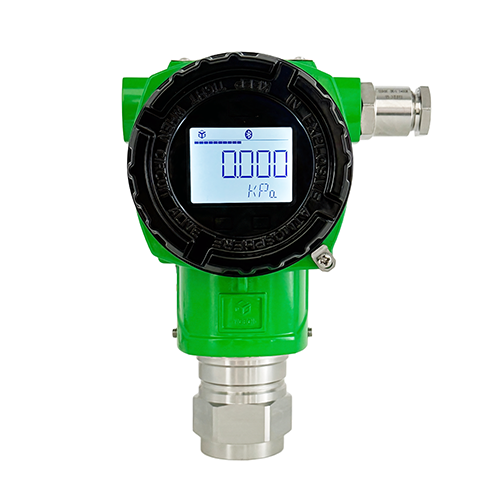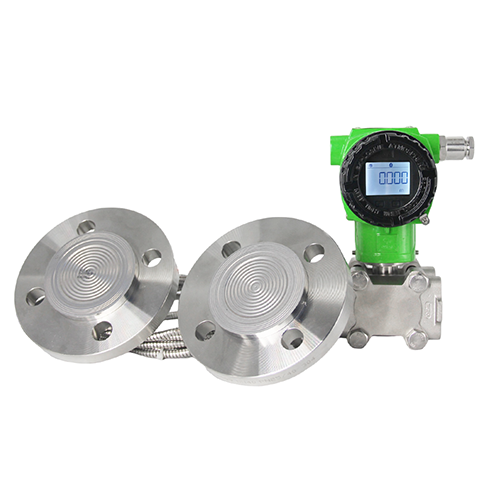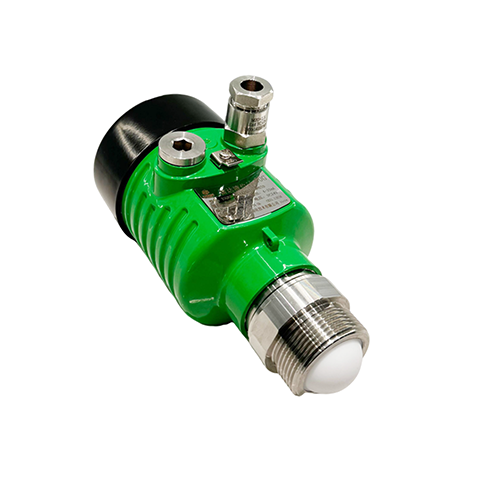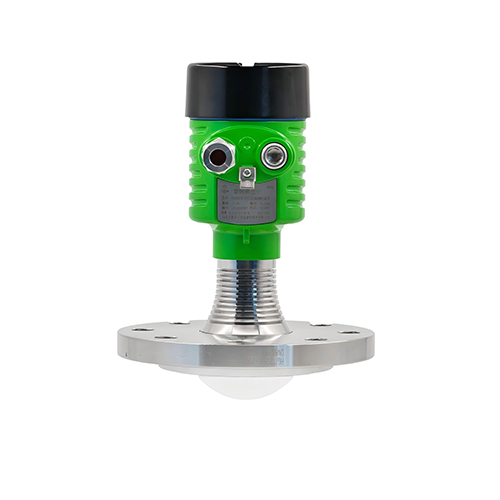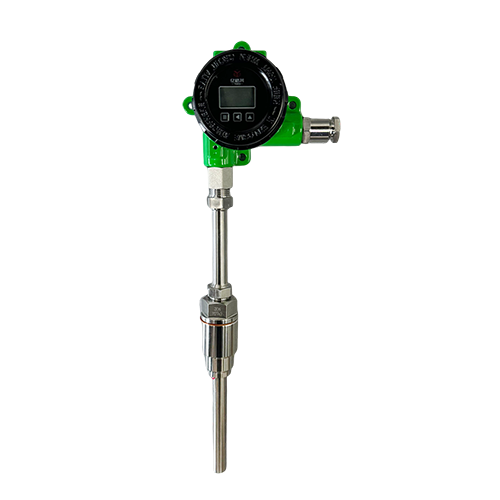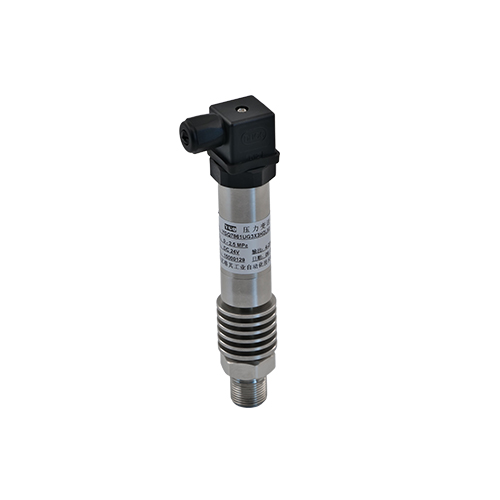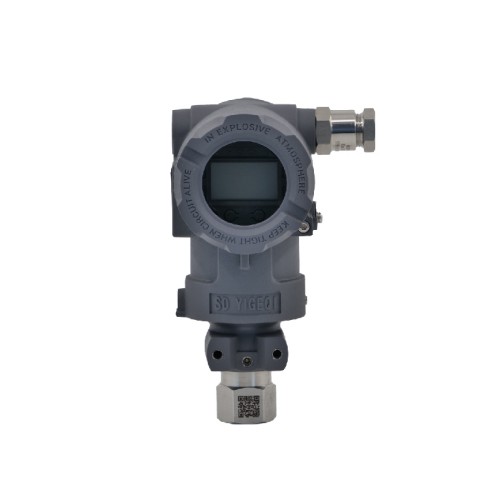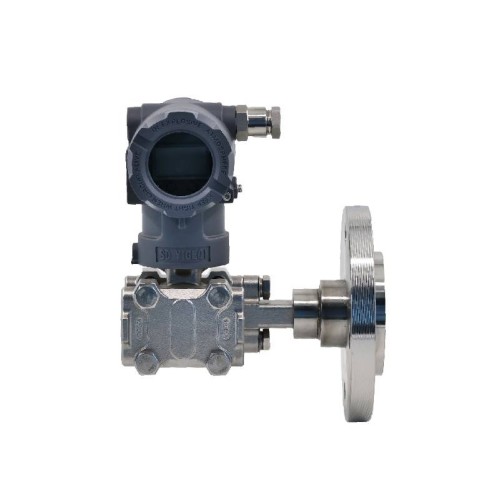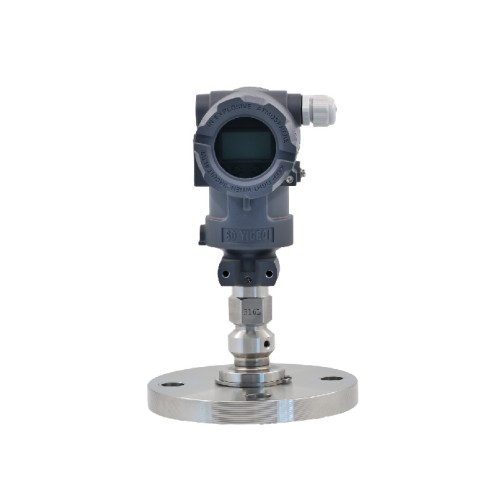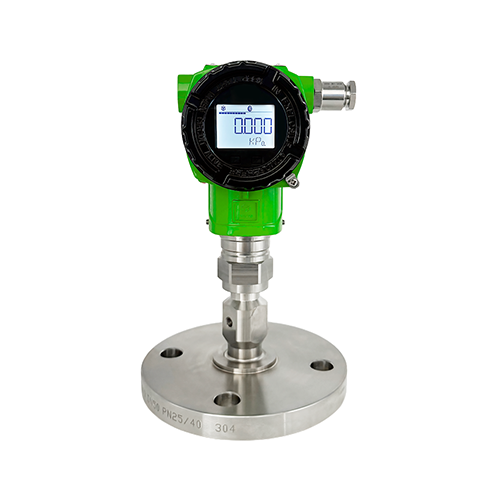
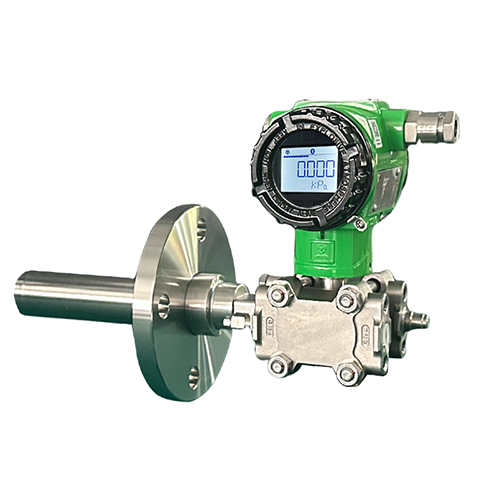
Flange-type level transmitters, as a practical type of level transmitter, have secured a place in industrial applications due to their material advantages and accurate measurement performance. The components in stainless steel level transmitters that come into contact with the medium are made of 316L stainless steel, which is corrosion-resistant and wear-resistant, thus extending the service life of the equipment. In acid and alkali tank level measurement in the chemical industry, stainless steel level transmitters can effectively resist the corrosive effects of the medium; in clean water tank level monitoring in the food industry, the stainless steel material meets hygiene standards. Combined with an IP66/68 protection rating, stainless steel level transmitters can operate stably even in humid and dusty environments.
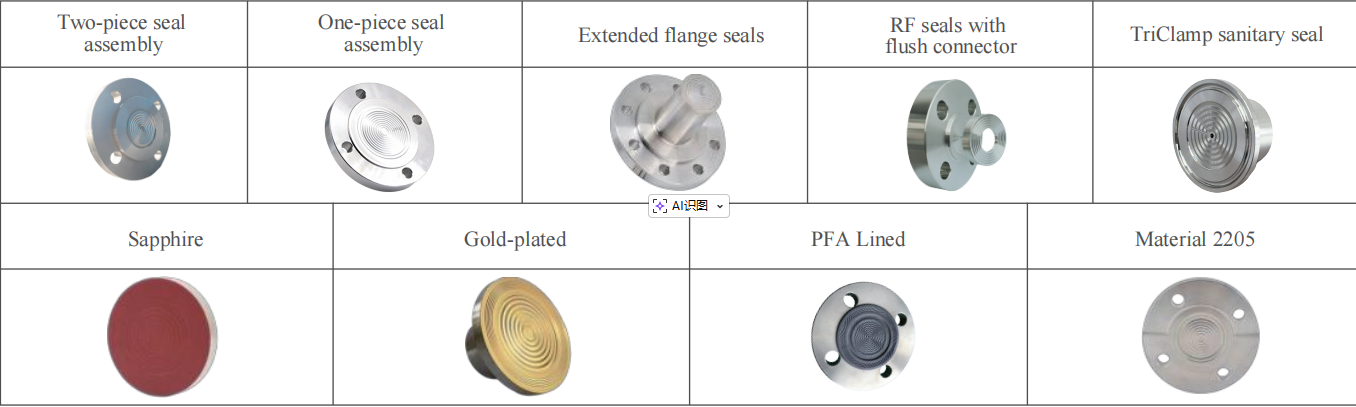
Water level transmitters are optimized for water-based media, featuring stable measurement and anti-scaling characteristics. In reservoir level monitoring in urban water supply systems, water level transmitters can accurately control water levels and achieve automatic water supply; in cooling tower level measurement in industrial cooling water systems, they can withstand the influence of impurities in the circulating water, preventing sensor clogging. Furthermore, water level transmitters can also accurately provide feedback on the level in aeration tanks of wastewater treatment plants, helping to ensure efficient operation of water treatment processes.
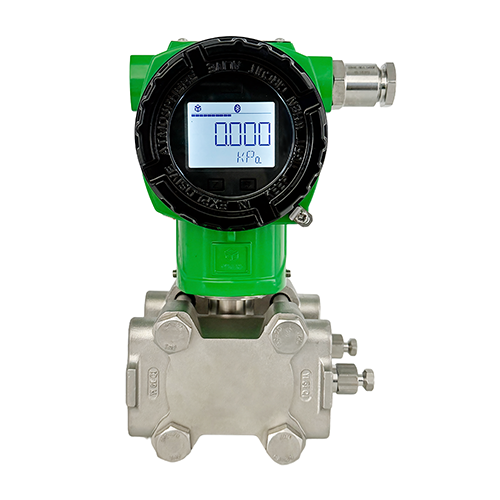
As a differential pressure level gauge, it measures liquid level based on the differential pressure principle, with a measurement range of -10MPa to 10MPa and an accuracy of ±0.2%. In high-temperature boiler water level monitoring in the power industry, the differential pressure level gauge can effectively offset the effects of temperature fluctuations; in pulp tank level measurement in the paper industry, the differential pressure principle can avoid measurement errors caused by pulp viscosity. The differential pressure level gauge can operate stably within a wide temperature range of -40℃ to 85℃, adapting to various working conditions.