Project Background: Governance Challenges under Complex Operating Conditions
The sintering flue gas denitrification system at this steel plant faces multiple challenges:
·Ammonia water is highly corrosive, and its flow rate fluctuates greatly during transport, making it difficult for traditional equipment to balance corrosion resistance with accurate measurement.
· The flue gas contains a large amount of dust and has a wide temperature range, which easily leads to aging of measuring elements and probe blockage, causing distortion in pressure and temperature measurements.
·Ultrafine calcium hydroxide powder easily forms a dust layer, and may clump due to humidity, making it difficult to accurately measure material levels using traditional methods, thus posing challenges to silo management.
Solution: Smart meters build a full-process monitoring network
To address the aforementioned issues, the project employs a collaborative approach using multiple types of intelligent instruments to achieve closed-loop management of "perception-control-optimization".
I. Synergistic Control of Electromagnetic Flowmeter and Pressure Transmitter
Ammonia is a crucial reducing agent in the denitrification reaction, and the stability and accuracy of its delivery directly affect the denitrification effect.
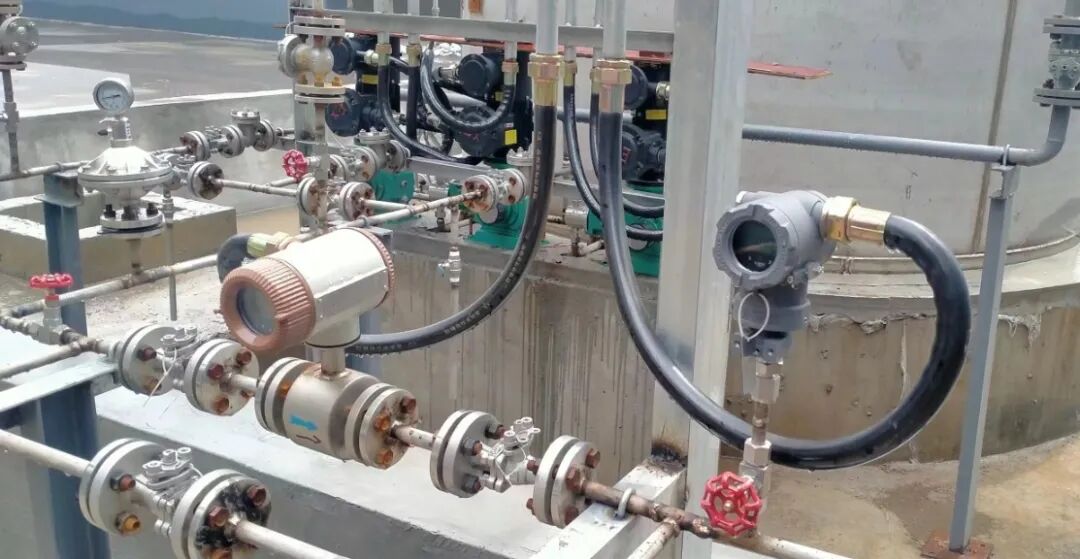
The plant installed Egertech electromagnetic flowmeters and pressure transmitters on the ammonia delivery pipeline.
The electromagnetic flowmeters, made of highly corrosion-resistant materials and adapted to the characteristics of ammonia, can accurately measure the instantaneous and cumulative flow of ammonia in real time, with an accuracy of ±0.5%, and responds quickly to flow fluctuations.
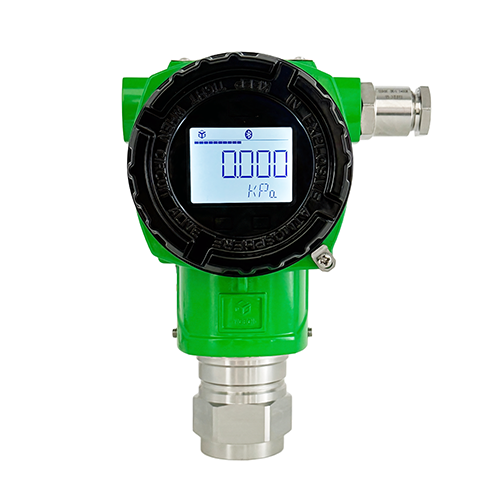
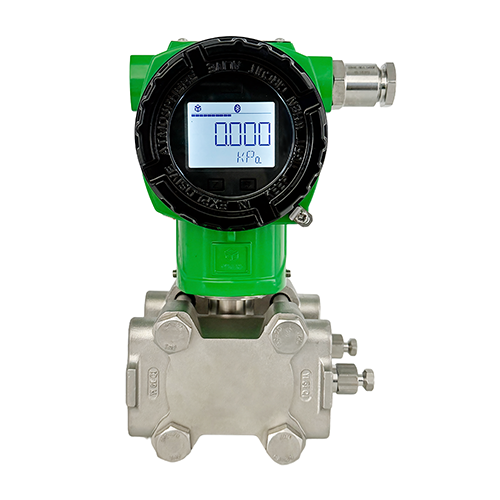
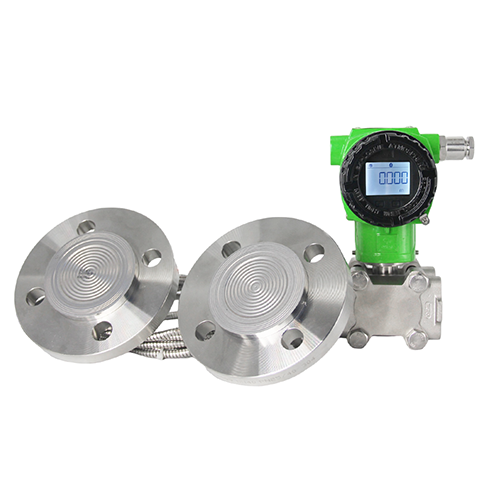
The pressure transmitters monitor the ammonia delivery pressure. When the pressure falls below the set value, the system automatically alarms, alerting operators to check for pipeline blockages or pump malfunctions, preventing interruptions in ammonia delivery and ensuring the continuous denitrification reaction.
II. Pressure and temperature transmitters for real-time monitoring of flue gas conditions
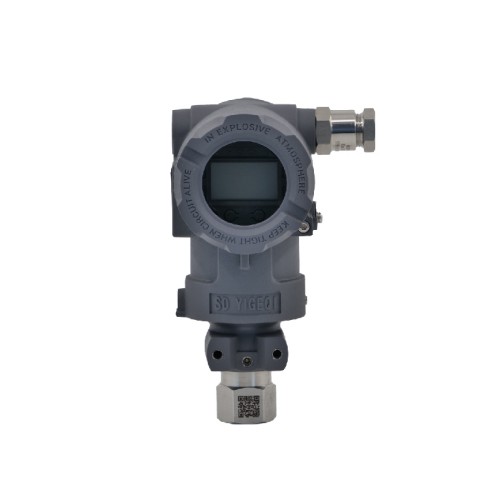
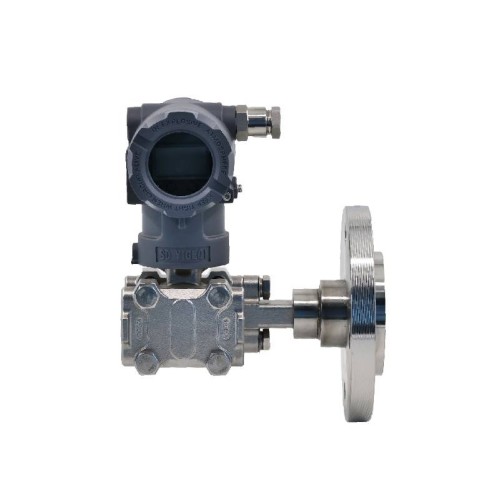
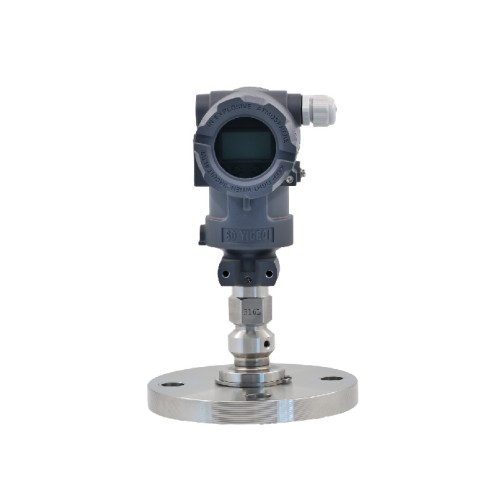
Flue gas pressure and temperature are crucial environmental parameters for the denitrification reaction, affecting catalyst activity and reaction efficiency. The plant has installed YIGEQI pressure and temperature transmitters on the flue gas duct.
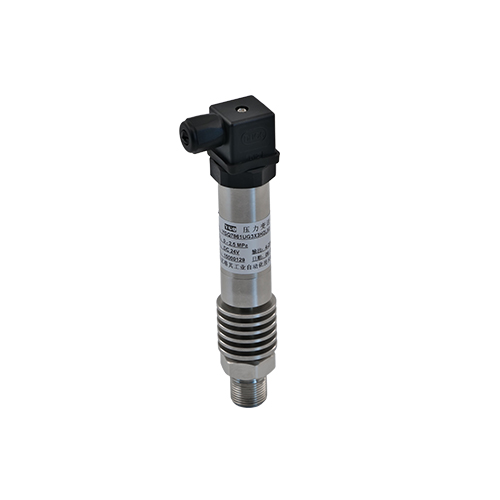
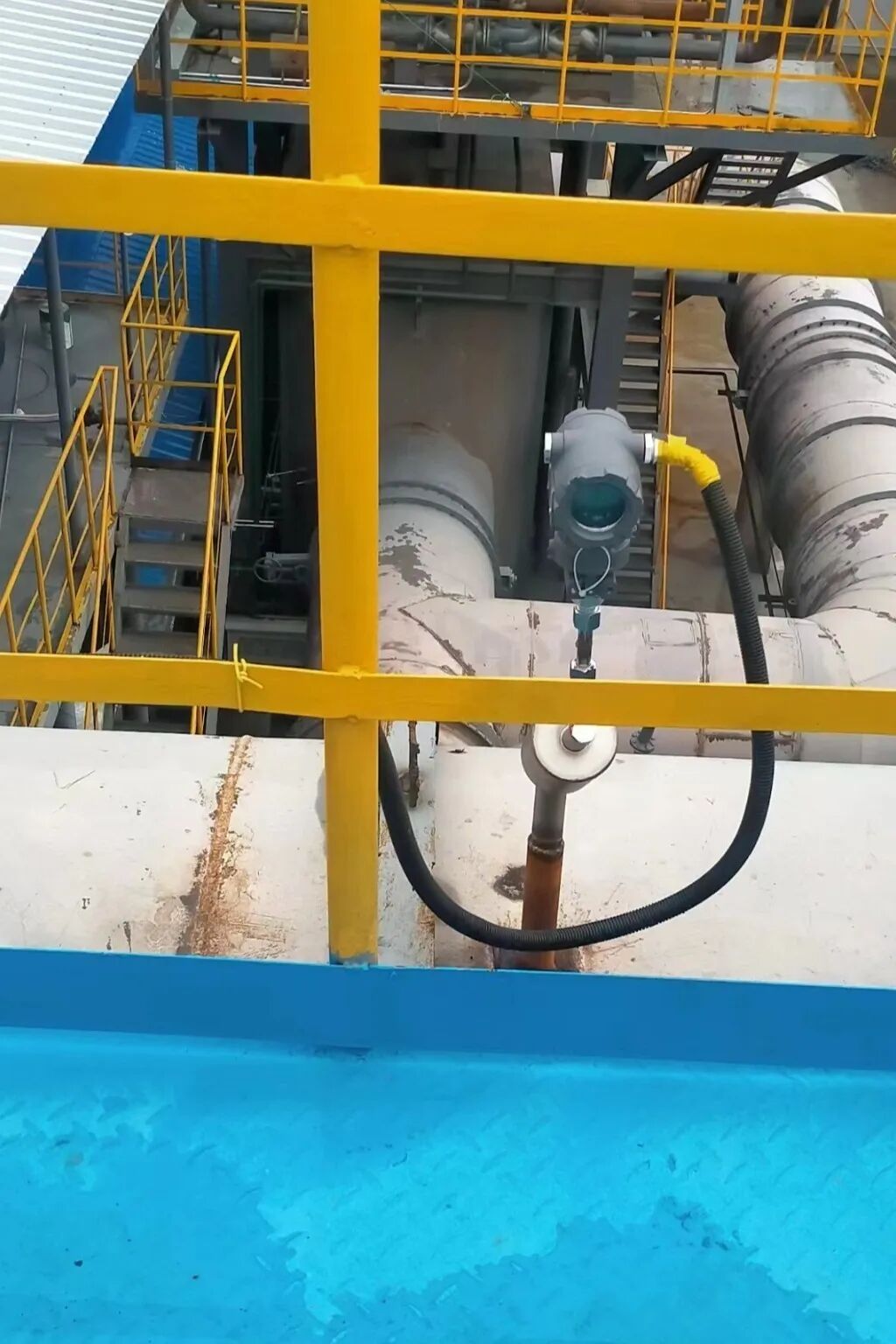 The pressure transmitter accurately measures the static and dynamic pressure of the flue gas, reflecting real-time pressure changes within the duct. Due to the high dust content and large temperature variations in the flue gas, the transmitter features a dustproof and high-temperature resistant design, with measurement errors controlled within ±0.1%.
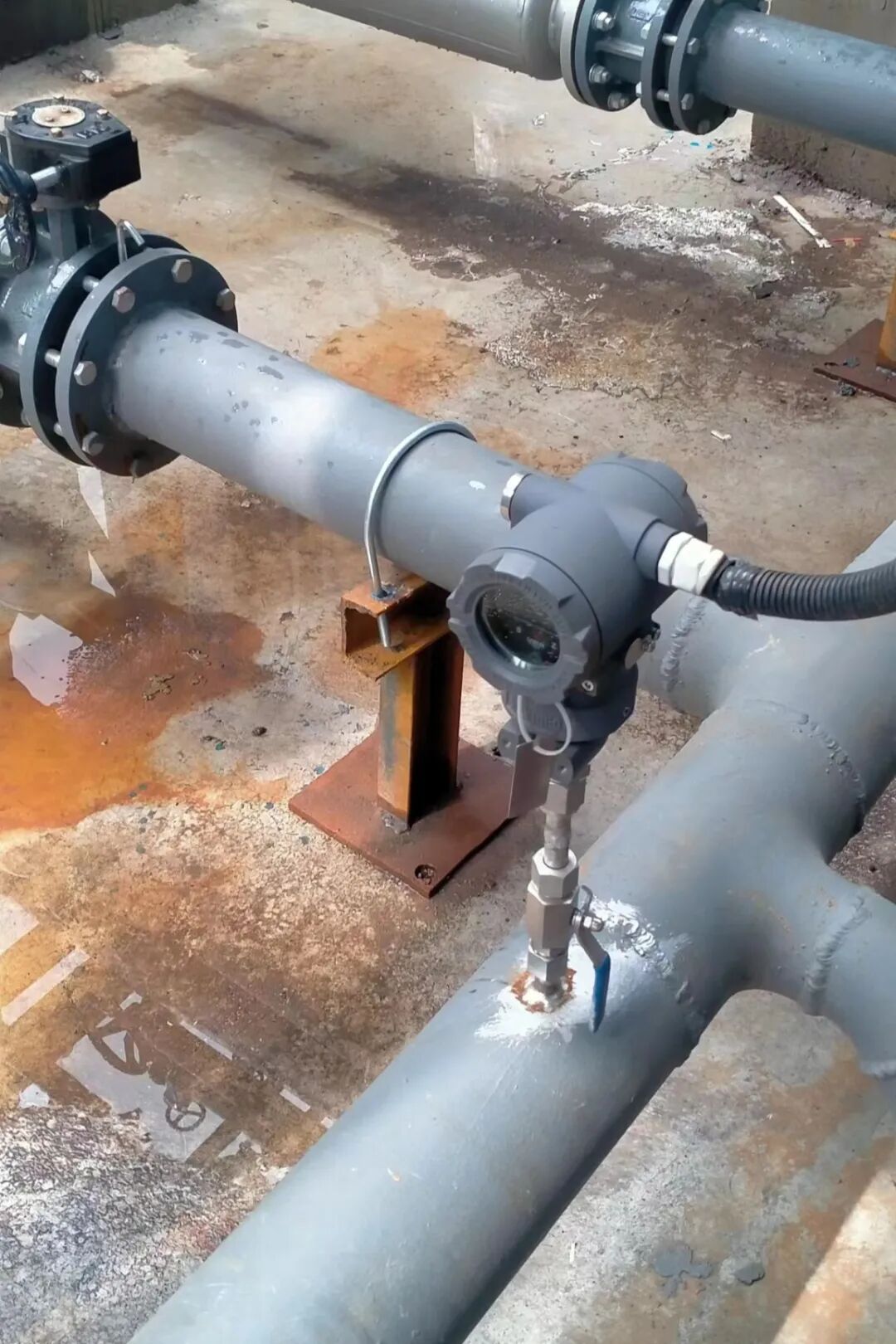
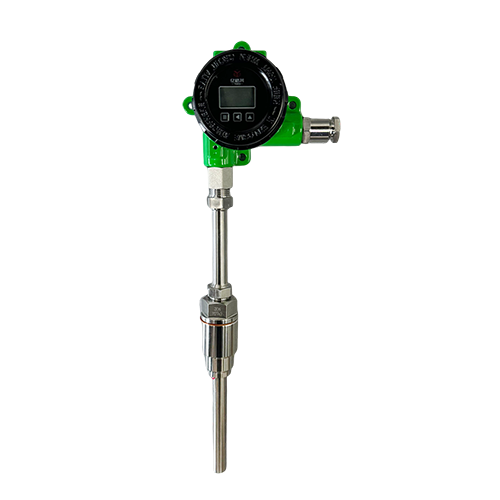
The temperature transmitter uses a thermocouple sensor, dual-armored, two-wire 4-20mA transmission output, K-scale, and can measure temperatures from 0 to 600℃.
It can quickly measure flue gas temperature, covering the temperature range required for the denitrification reaction, with an accuracy of ±1℃.
Through real-time monitoring, operators can adjust the operating parameters of the induced draft fan and heat exchanger in a timely manner. When the temperature is lower than the optimal reaction temperature, the heat source supply to the heat exchanger is increased; when the flue gas pressure is too high, the induced draft fan speed is adjusted to ensure that the denitrification reaction takes place in a suitable environment.
III. Radar level gauges accurately monitor powder inventory.
As a crucial auxiliary material in denitrification systems, the accurate monitoring of ultrafine calcium hydroxide powder is essential for ensuring continuous production.
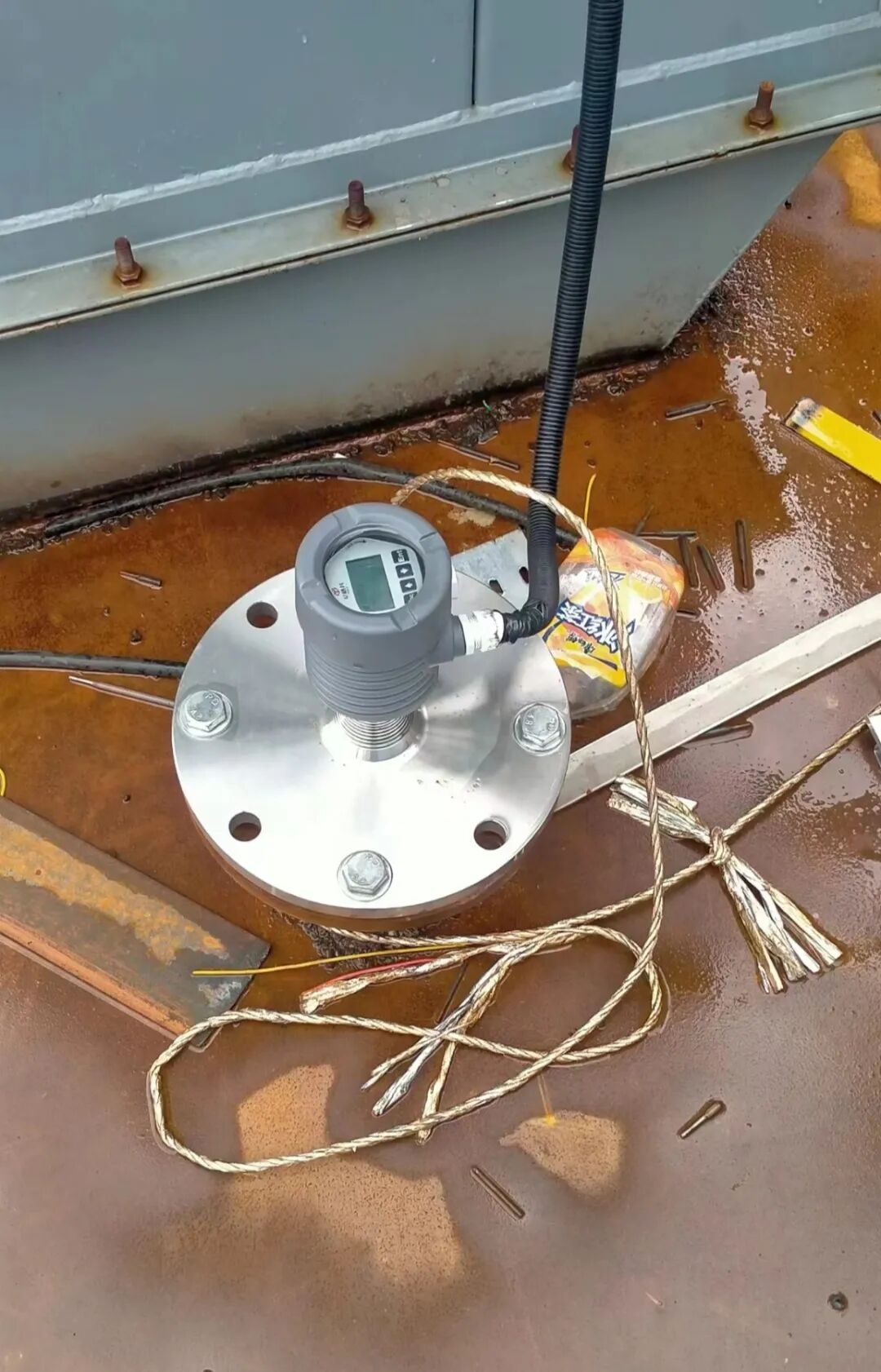
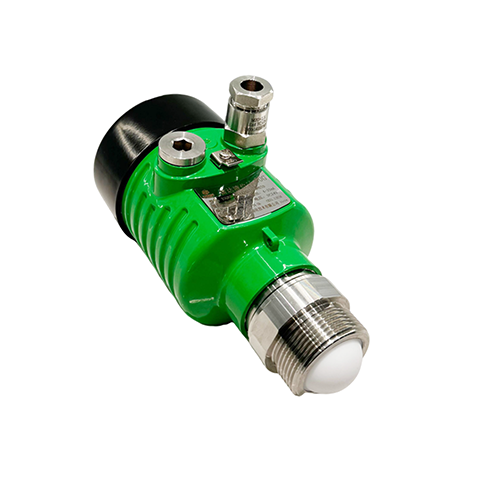
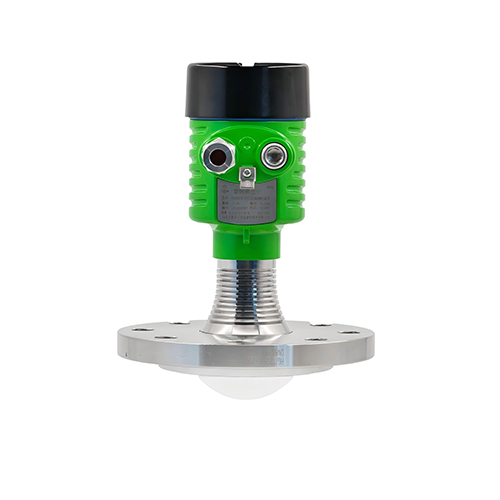
This plant uses an YIGEQI radar level gauge to measure the calcium hydroxide powder level in the powder silo.
This radar level gauge employs high-frequency radar technology, with a 4~20mA output, HART protocol, and DN150 flange connection, capable of penetrating the dust layer on the powder surface.
It achieves an accuracy of ±1mm, precisely measuring the material level height, unaffected by powder moisture or density, and can monitor real-time level changes during feeding and discharging.