
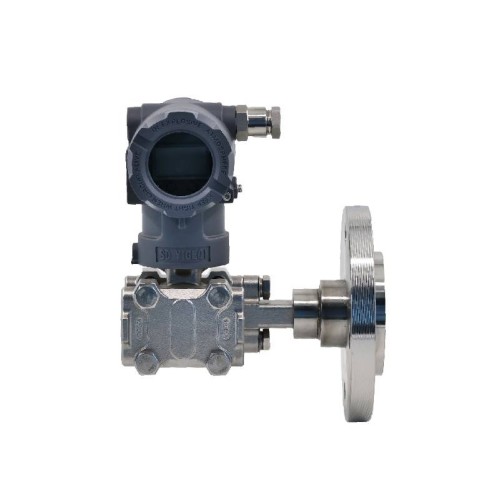
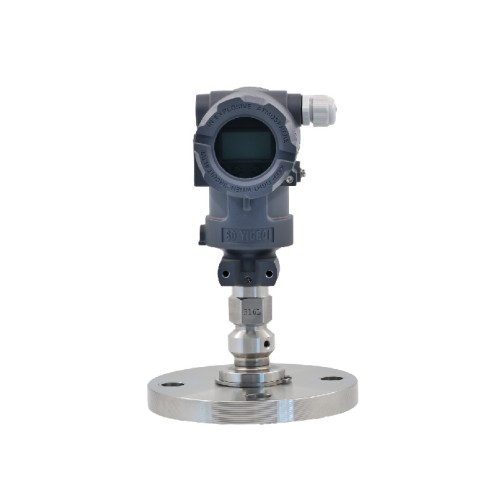
A chemical company specializing in the production of high-molecular polymers relies on precise level control of high-temperature, viscous liquids within its reactors. Previously, their traditional level gauges frequently failed due to high-temperature corrosion and the viscosity of the medium, leading to diaphragm deformation and seal leaks in ordinary instruments. Furthermore, viscous polymers easily clog pressure lines, resulting in high maintenance costs and affecting product quality stability due to inaccurate level measurements.
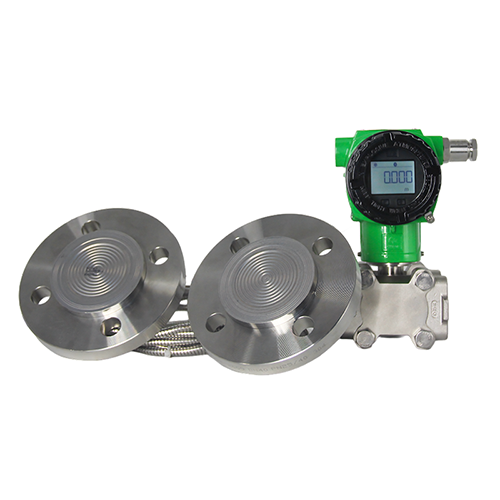
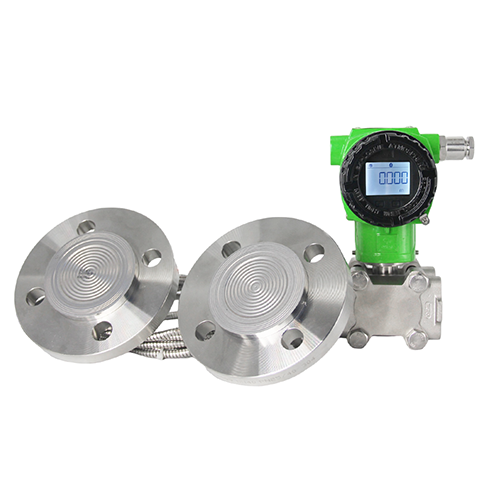
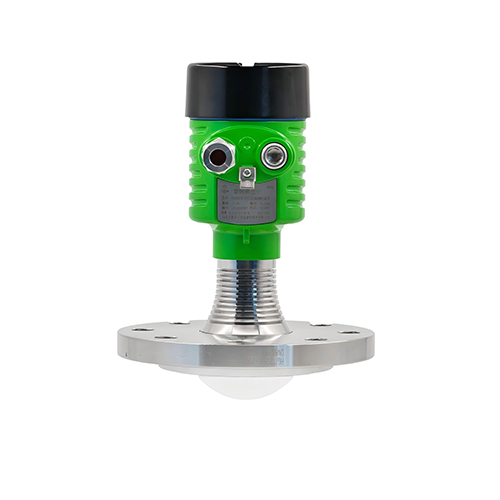
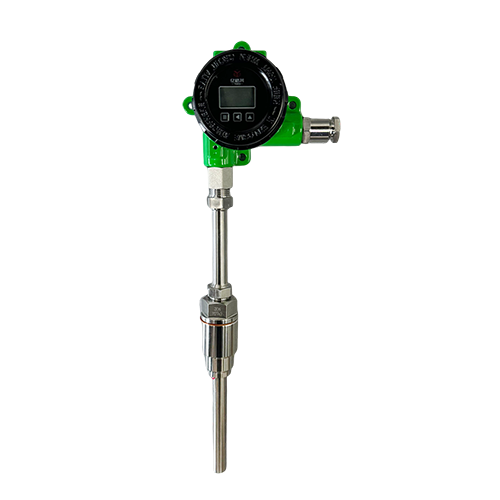
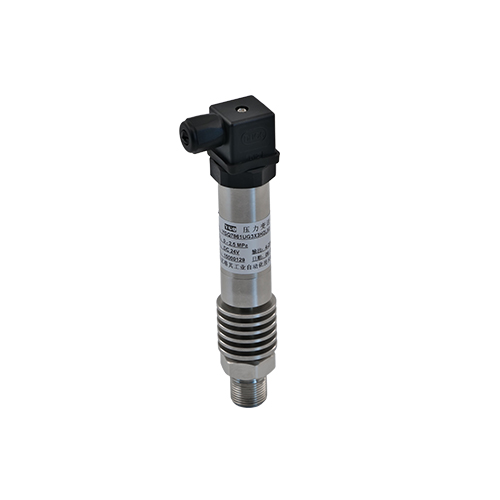
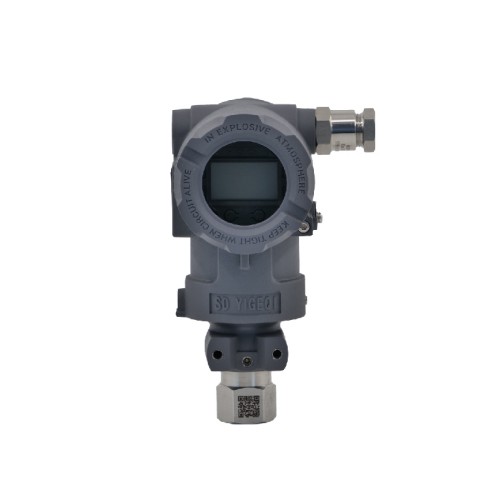
To address these issues, Yigeqi recommended a dual-flange differential pressure level transmitter to the chemical company. This transmitter uses a 316L stainless steel flange diaphragm covered with a PTFE anti-corrosion coating, enabling it to withstand high temperatures and chemical corrosion. The isolation diaphragm of the corrosion-resistant differential pressure transmitter is filled with high-temperature silicone oil, preventing direct contact between the medium and the sensor's core components, significantly improving durability.
Because traditional pressure line structures are prone to clogging, this dual-flange level transmitter connects to the measured container via two flanges: the upper flange senses the high-pressure side, and the lower flange senses the low-pressure side. When the liquid level inside the container changes, the pressure difference generated at both ends is converted into an electrical signal by a high-precision sensor. This signal is then processed by the transmitter's internal signal processing unit, ultimately outputting a standardized 4-20mA signal to accurately reflect the liquid level. Our engineers first conducted an on-site investigation of the reactor's installation conditions and customized the capillary tube and flange specifications based on the flange spacing, medium density, and pressure rating, further optimizing the production control process.
Since its deployment, this dual-flange level transmitter has operated stably for 12 months without failure, with measurement errors consistently controlled within 0.5%. Compared to the original equipment, the maintenance frequency has been significantly reduced from 15 times per year to only 2 routine inspections, significantly saving manpower and resources. More importantly, the improved accuracy of the corrosion-resistant differential pressure transmitter's level control has increased the product qualification rate by 8%, bringing direct economic benefits to the customer.
