
Avoidance Guide: Common Selection Misconceptions
Blindly pursuing high precision
For ordinary heating monitoring and similar scenarios, an accuracy of ±1℃ is sufficient. High precision means high cost; choose according to need to avoid waste.
Ignoring media compatibility
In corrosive media, ordinary stainless steel sensors are easily damaged; special materials such as Hastelloy or anti-corrosion isolation sleeves should be selected.
Ignoring installation space
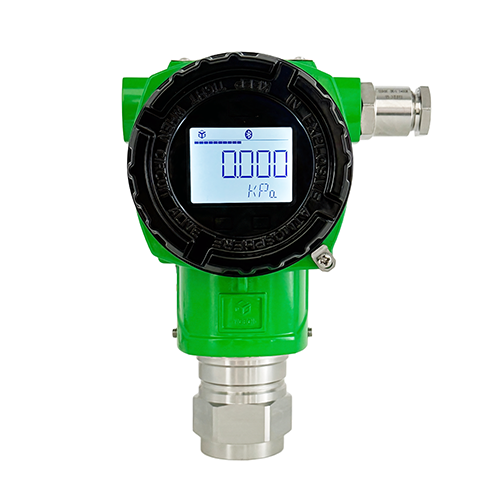
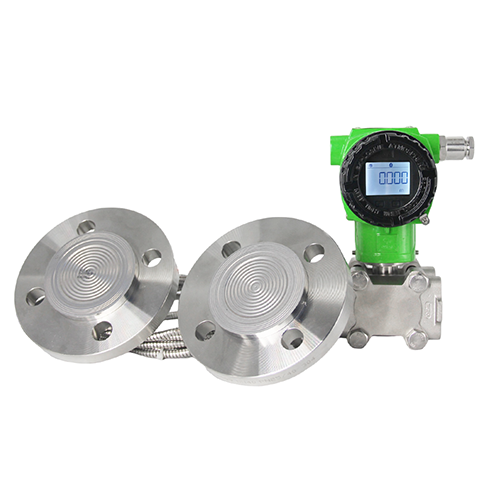
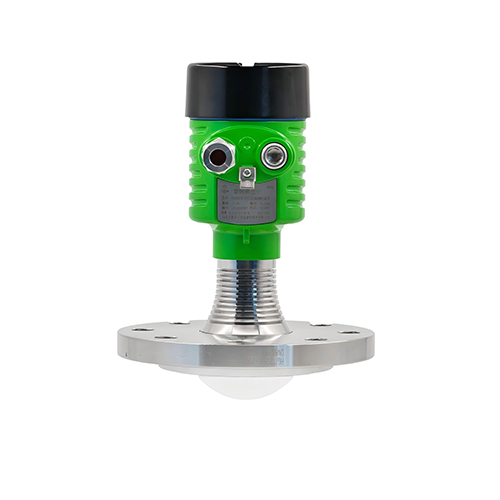
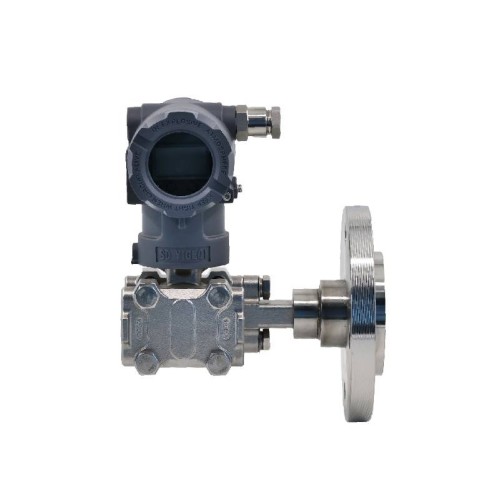
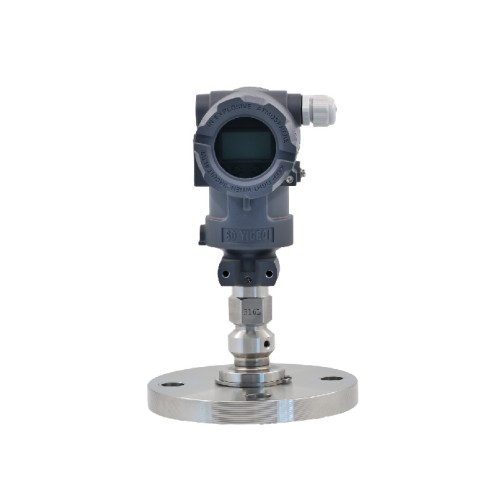
For small-diameter pipelines, choose threaded or compression fitting compact transmitters to avoid installation difficulties and obstruction of fluid flow caused by the large size of flanged types.
Advanced Techniques: Efficient Sensor Selection Strategies
What are you measuring? (Sensor Type)
Are you measuring high-temperature flames (e.g., above 1000°C)? Or are you measuring water or oil temperatures (e.g., -200°C to +800°C)?
Common temperature sensors fall into two main categories:
Thermocouples (T/C): Suitable for high-temperature measurements, with a fast response.
Resistant Temperature Detectors (RTDs, such as Pt100): High accuracy, good stability, suitable for medium and low temperatures.
What is the measurement range? (Temperature Range)
What are the minimum and maximum temperatures you need to measure?
When selecting a sensor, ensure that the transmitter and sensor combination you choose covers this range, and ideally, leave some margin.
How is the signal transmitted? (Output Signal)
What signal will the transmitter "translate" the temperature into and transmit it to the control system or display instrument?
The most commonly used is a 4-20mA current signal (strong anti-interference, good long-distance transmission).
Other protocols include HART (which overlays digital signals onto a 4-20mA signal for easier debugging) and digital signals (such as Modbus RS485 and Profibus).
How to install? (Installation method)
Threaded installation? Flange mounting? Or direct insertion into the pipe? The dimensions must match the mounting holes.
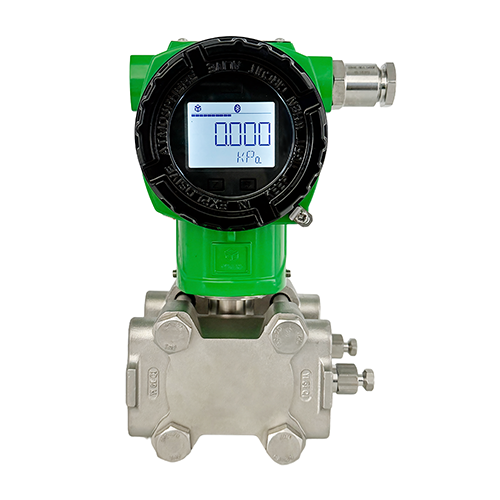
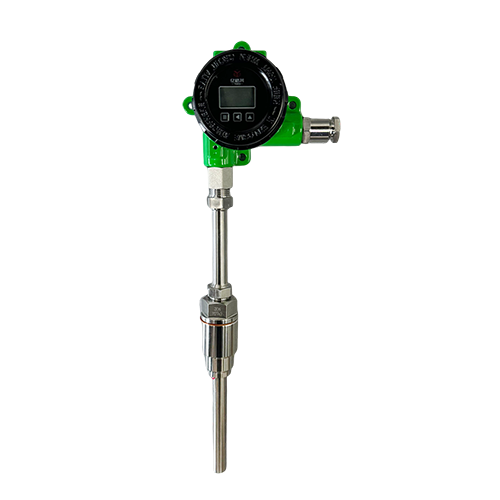
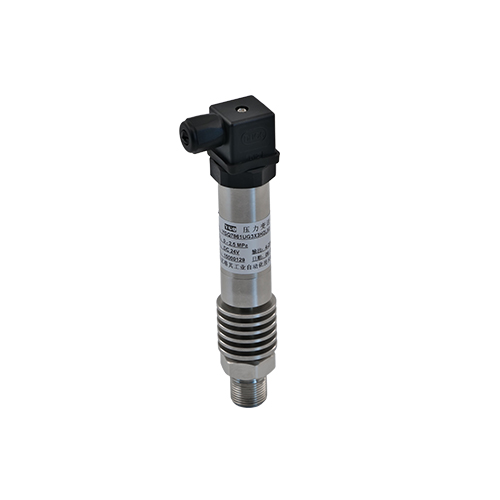
There are several installation methods for temperature transmitters, such as threaded installation, flange installation, and compression fitting. The choice of installation method depends on factors such as the structure of the measured equipment or pipeline, and the available installation space.
For example, threaded installation is simpler when installing on a pipeline; while flange installation is more suitable for applications requiring frequent disassembly or high sealing performance.
Environmental requirements? (Special considerations)
Environmental conditions include temperature, humidity, vibration, and electromagnetic interference.
High-pressure steam cleaning area: IP69 protection rating, housing material must be 316L stainless steel + ceramic diaphragm.
Highly corrosive environment: IP66 protection + PTFE coating, wetted parts use Hastelloy C276.
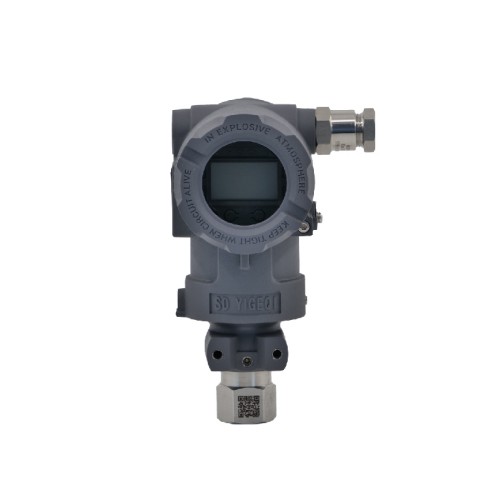
Flammable and explosive environments: Transmitters with explosion-proof certification, such as Ex ia, Ex d, CE, EX, SIL, etc., must be selected and comply with national standards.
