
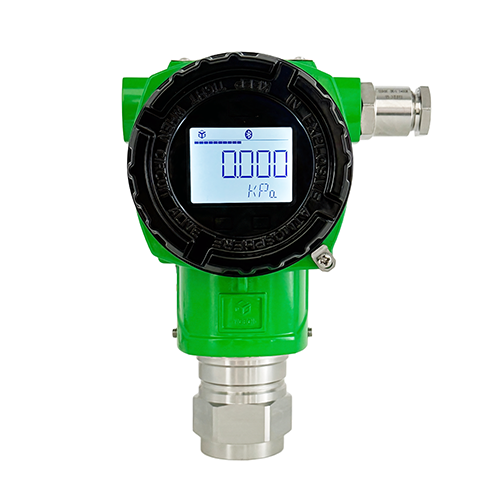
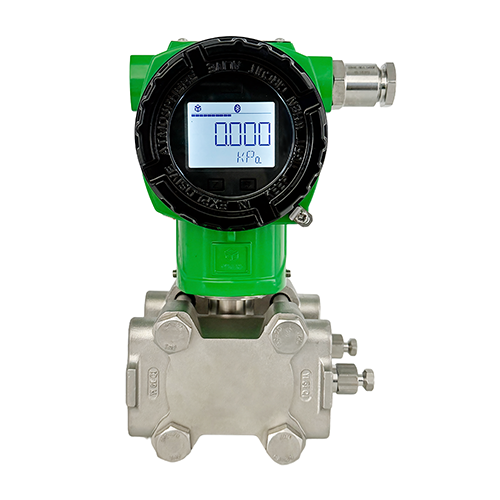
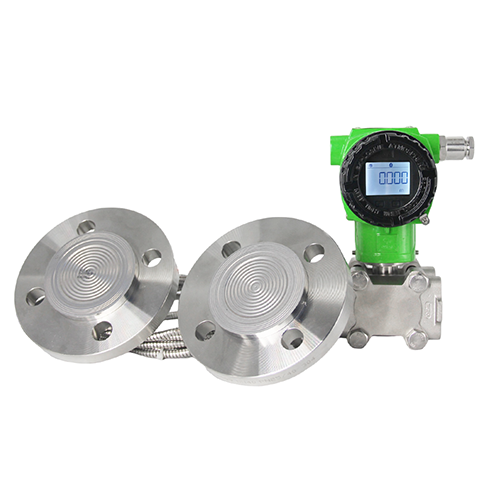
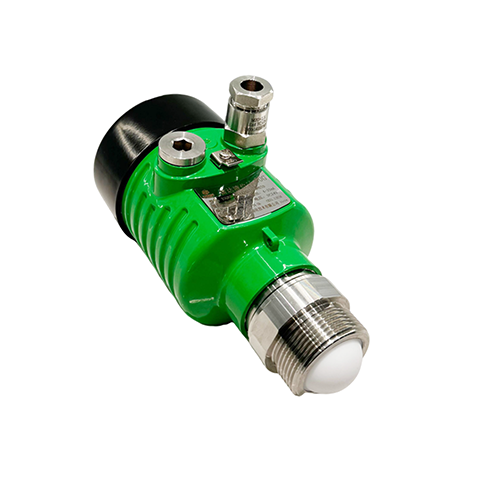
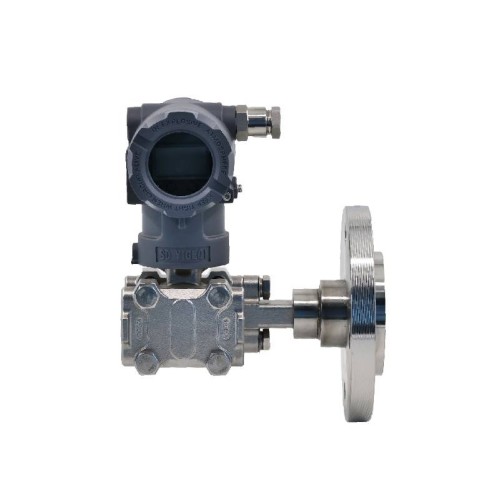
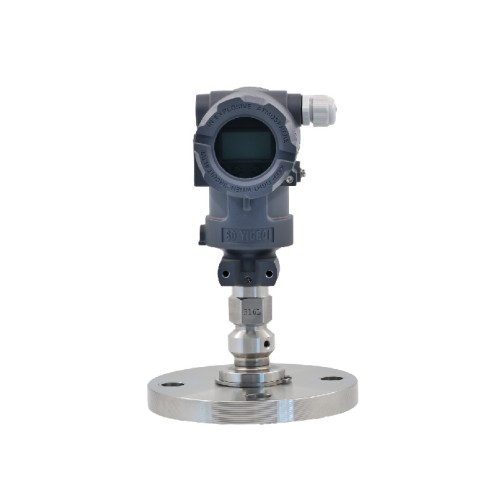
I. What is "Internal Damage"?
Overload Pressure: The maximum pressure at which a transmitter can recover most of its performance without permanent deformation after exceeding its measurement range. This can be understood as its "safety buffer."
Burst Pressure: The absolute maximum pressure a transmitter can withstand without physical damage (such as diaphragm rupture or housing rupture). This is known as its "survival limit."
Overload/shock damage refers to pressure applied to the diaphragm that not only exceeds the measurement range but also approaches or exceeds the overload pressure limit, causing permanent physical deformation, perforation, or rupture of the sensor's core components.
II. Typical Symptoms of "Internal Damage":
Zero Drift, Inability to Return to Zero: Under no pressure, the output signal cannot be adjusted back to 4mA (or zero), and a fixed deviation always exists.
Inaccurate Measurement, Decreased Linearity: Throughout the measurement range, the measured value no longer has a standard linear relationship with the actual pressure. This may manifest as "initially accurate, later inaccurate," or a significant overall error exceeding the tolerance range.
Signal fluctuations or dead zones: Damage to the diaphragm and sensing element may cause unstable fluctuations in the output signal at a certain point, or a "dead zone" (the output remains unchanged during pressure changes) may occur.
Complete failure: Under severe overload or instantaneous high-pressure shocks, the isolation diaphragm may be directly punctured and ruptured, leading to leakage of the filling fluid and complete transmitter failure.
III. How to avoid "internal damage"?
Correct selection is the first step: Provide sufficient pressure margin.
Don't be overly demanding when selecting a transmitter. The maximum range and overload pressure of the selected transmitter should be much higher than the maximum normal pressure the system may withstand, providing a safety margin of at least 1.5 times the range to cope with unexpected situations such as water hammer and pressure spikes.
Installation location is crucial: Avoid shock sources.
Try to avoid installing the transmitter directly near the outlet of pumps, compressors, or fast control valves, as these locations are susceptible to pressure shocks and pulsations. If this cannot be avoided, consider using a pulse damper or pressure buffer tube to attenuate and absorb pressure spikes, thereby protecting the sensor diaphragm.
IV. What to do if "internal damage" is suspected?
Initial assessment: Perform zero-point and range calibration. If the zero point cannot be adjusted or linearity error corrected, the sensor core may be damaged.
Professional testing: Send the transmitter back to the manufacturer or an authoritative metrology verification institution for comprehensive testing using high-precision, stable, and controllable pressure control equipment. Re-plot the "pressure-output" curve to accurately determine if linearity, repeatability, and other performance characteristics are irreversible.
Final solution: For permanent physical deformation that cannot be repaired in the field, the only solution is to replace the sensor core component or the entire instrument.
