
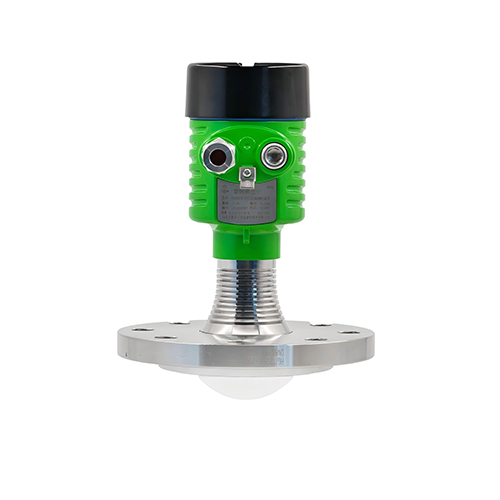
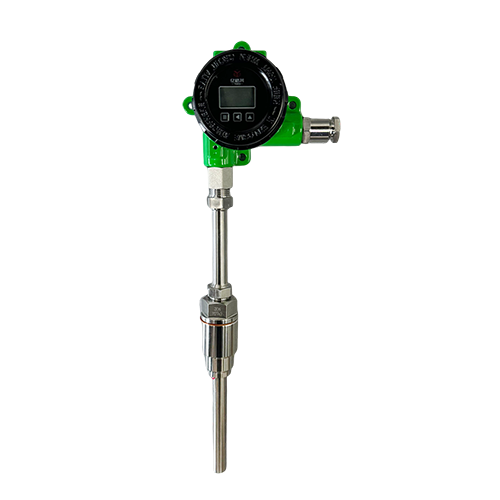
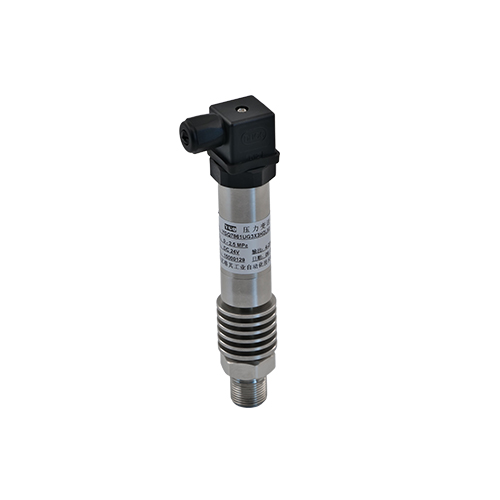
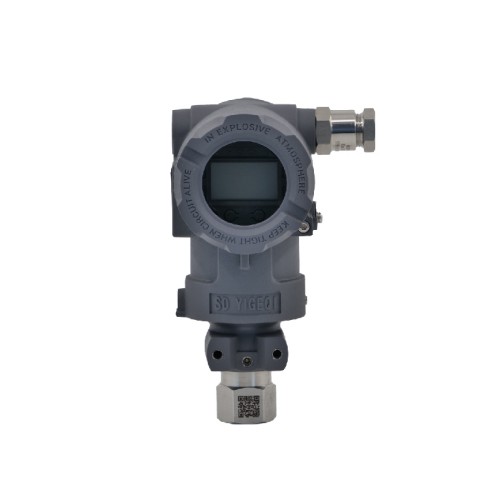
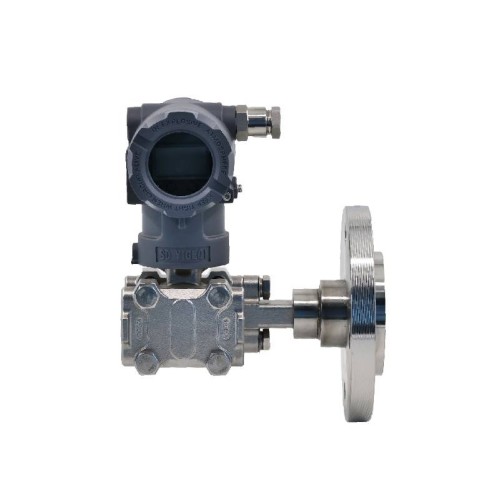
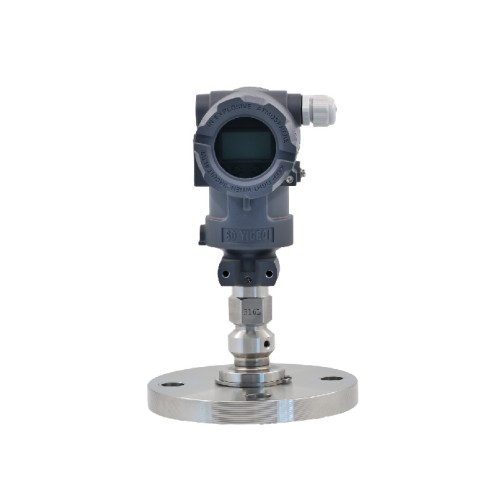
① Why are they indispensable "sensory nerves" in harsh environments?
The production of fine chemicals and petroleum additives often involves extreme conditions such as high temperature, high pressure, corrosion, and flammability/explosiveness. The reaction process is no longer a simple physical mixing, but a complex chemical reaction requiring precise control.
High reaction sensitivity: Reactions such as synthesis, catalysis, and polymerization are extremely sensitive to changes in temperature and pressure; even the slightest error can lead to disastrous consequences.
Special material characteristics: High viscosity, strong corrosiveness, and toxic or harmful materials pose severe challenges to measuring instruments.
Extremely high safety thresholds: Reaction runaway can occur in seconds, with unimaginable consequences.
In this context, monitoring pressure or temperature alone is far from sufficient. Only by combining and linking them can a complete process sensing network be formed, becoming the most reliable "sensory nerves" for automated control systems and safety instrumented systems (SIS).
② Core application scenarios: a powerful combination to win critical links
1. Reactor—The "brain" of the process and the "guardian" of safety
This is the core battlefield for transmitter combinations. Precise Control: Precise control of temperature and pressure ensures the reaction proceeds in the predetermined direction and rate, directly determining product conversion rate, molecular weight distribution, and final performance. Safety Interlock: When temperature and pressure spike abnormally, this interlock can immediately alert the control system, triggering emergency cooling or pressure relief to nip the problem in the bud.
2. Distillation Column – The “Gatekeeper” of Product Quality
Purity Assurance: The temperature and pressure parameters at the bottom and top of the column directly determine the separation effect of components. Precise control is key to obtaining high-purity products. Energy Saving Optimization: By monitoring temperature and pressure data at multiple points within the column, energy consumption for reboiler heating and condenser cooling can be optimized, achieving “quality improvement and cost reduction.”
3. Storage Tanks and Pipelines – The “Monitor” of the Entire Process
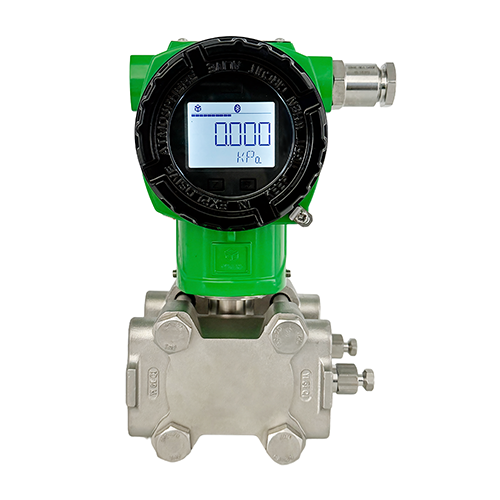
Tank Safety: Real-time monitoring of tank pressure and temperature prevents overpressure or negative pressure, ensuring tank integrity. Pipeline Health: Monitoring pressure differences can provide early warning of pipeline blockage for high-viscosity materials; abnormal combinations of pressure and flow are early signals of pipeline leaks.
③ The Magic of Combination: Value Enhancement of 1+1 > 2
1. Precise Data Compensation: When measuring liquid level or steam flow, the density of the medium changes with temperature and pressure. Compensation using real-time temperature and pressure data yields incredibly accurate liquid level and flow values, providing precise data for decision-making.
2. Intelligent Process Diagnostic Systems: Like an experienced technician, these systems can perform "cross-validation." For example, in boiling liquids, temperature and pressure should have a fixed correlation. If one is normal and the other abnormal, the system will immediately determine that a certain instrument may be "lying," issuing a maintenance alarm to avoid misjudgment.
3. Foundation of Advanced Control: These are the cornerstones for implementing advanced algorithms such as multivariable predictive control (APC). The control system can coordinate multiple valves simultaneously, like an autonomous vehicle, ensuring the production process always follows the optimal path.
4. Integrated Advantages: Integrated installation is now the trend. Integrating temperature and pressure sensors into a single interface not only saves space and reduces leak points but also simplifies installation and maintenance, making it particularly suitable for compact equipment.
④ The Golden Rules of Choosing the Right Transmitter
In such harsh environments, selecting the right transmitter is crucial.
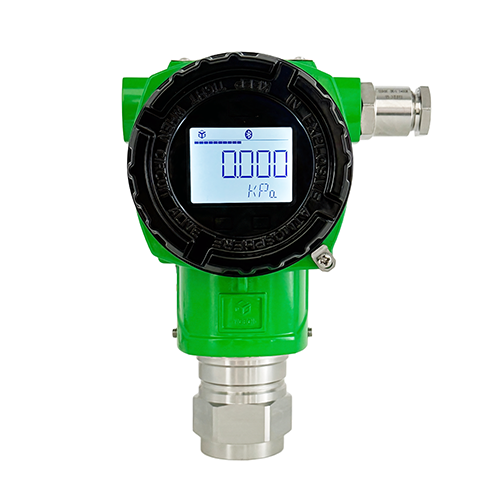
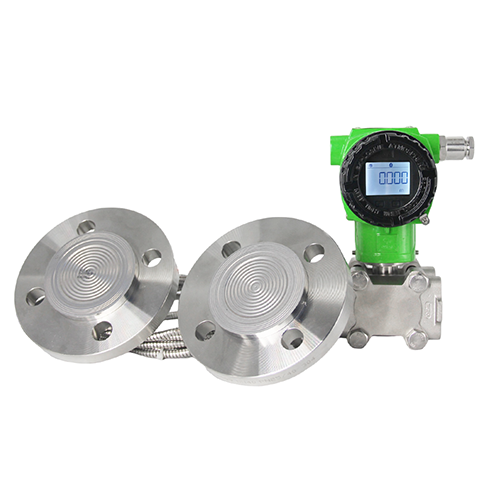
Material is fundamental: Wetted parts (such as pressure diaphragms and temperature sleeves) must be corrosion-resistant and scale-resistant. 316L stainless steel, Hastelloy, and tantalum are common choices. For viscous materials, flat diaphragm pressure transmitters are the preferred choice for preventing clogging. Accuracy and stability: Pursuing high-quality production requires selecting products with high accuracy and long-term stability to ensure consistently reliable data.
Safety certification: In explosion-proof areas, explosion-proof certifications such as Ex d IIC T6 Gb are essential.
Intelligent communication: Intelligent transmitters supporting digital protocols such as HART and Profibus PA enable remote commissioning, calibration, and diagnostics, empowering predictive maintenance and significantly improving operational efficiency.
In modern plants producing fine chemicals and petroleum additives, the combination of pressure and temperature transmitters has long surpassed simple measurement functions. They are the eyes of the process, the shield of safety, and the engine of efficiency. Investing in a reliable, accurate, and intelligent transmitter system lays the most solid foundation for a company's safe production, product quality, and core competitiveness.
