
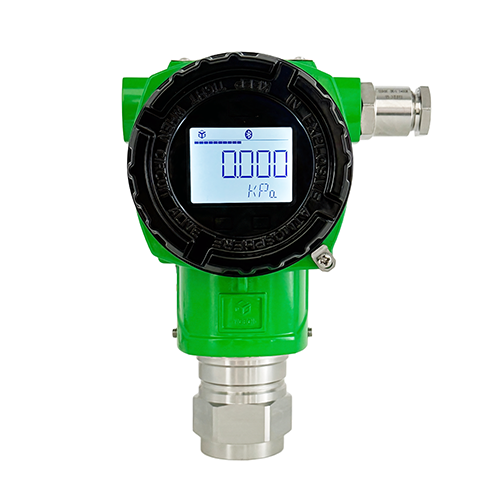
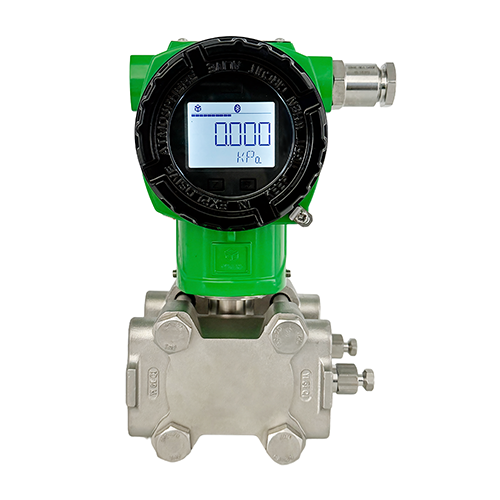
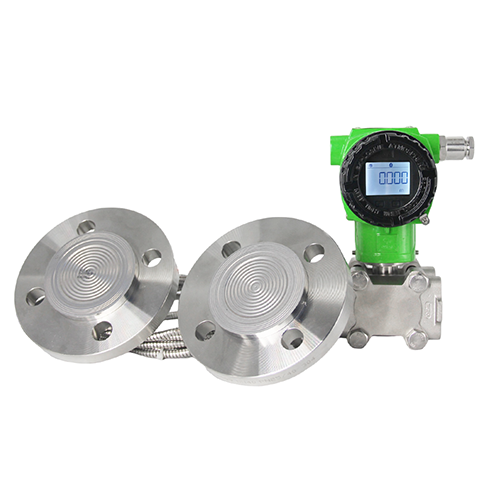
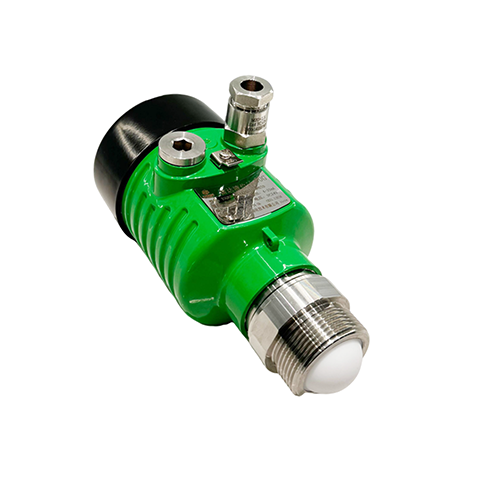
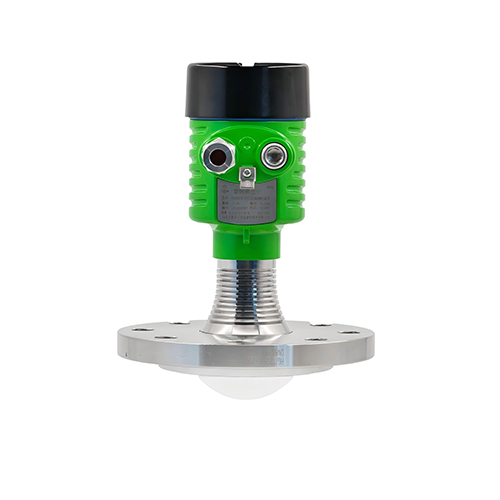
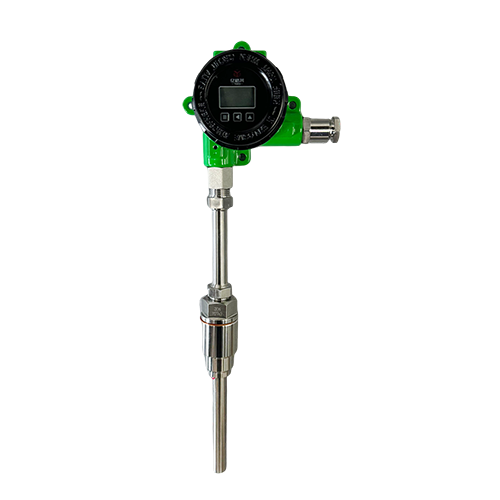
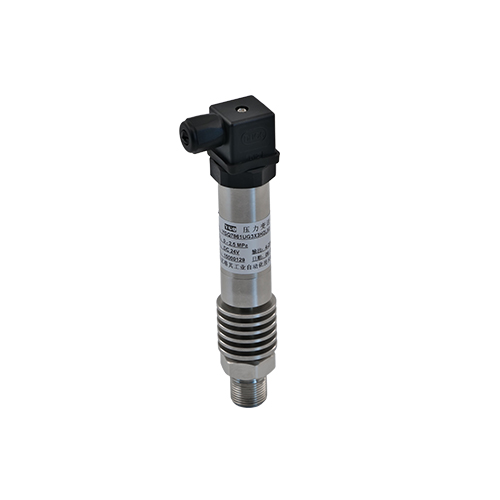
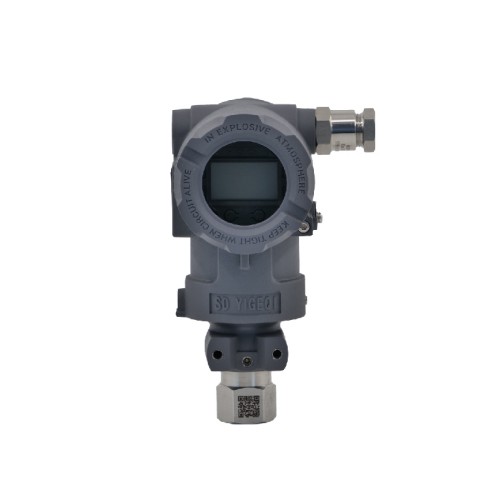
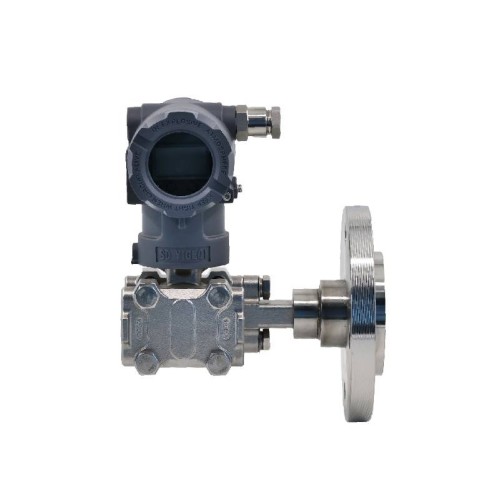
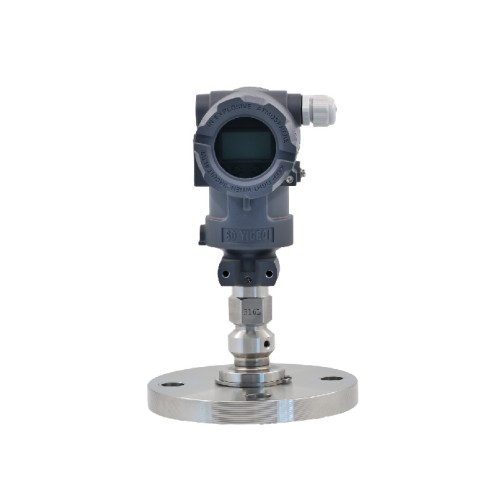
The core of the side-mounted single-flange pressure transmitter lies in its "single-flange direct mounting" and "side-outlet" structure. Unlike traditional transmitters requiring complex pressure tapping pipelines, it integrates the process flange and measuring diaphragm, mounting them directly on the equipment wall. This design fundamentally solves several long-standing industry problems.
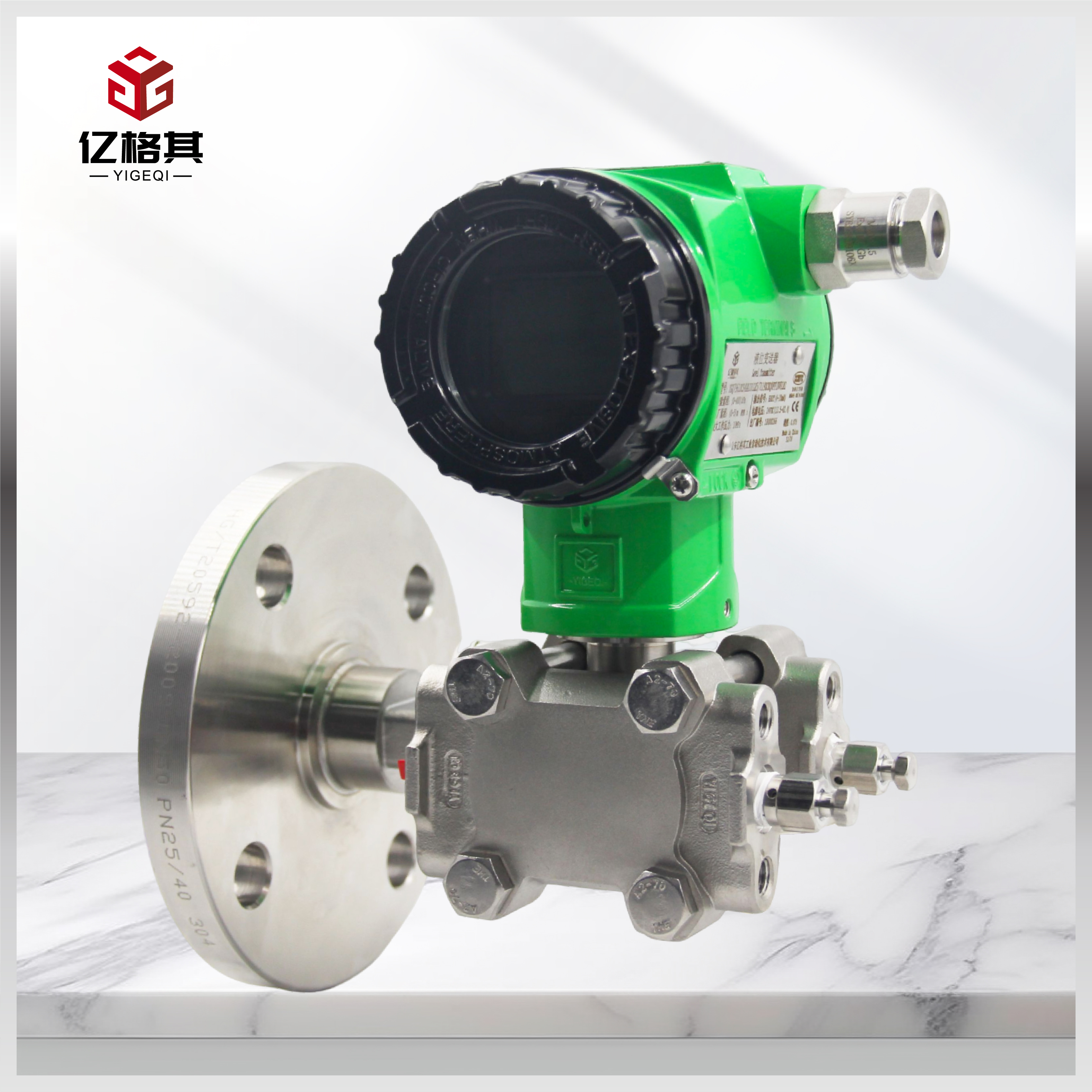
Suitable Scenarios: Specializing in "dirty, sticky, clogged, and clean" conditions
1.Clogger for Continuous Production: In the chemical, paper, and water treatment industries, slurry and other substances easily clog traditional pressure taps. The large-area flat diaphragm design of the single flange prevents media stagnation, ensuring continuous and stable measurement signals and reducing maintenance downtime.
2. Hygiene Guardian:Safeguarding Food Safety: In the food and beverage and biopharmaceutical industries, hygiene is the bottom line for aseptic operation. This transmitter features a hygienic clamp connection, enabling smooth, thorough cleaning and sterilization to meet stringent requirements. Its side-mounted design prevents condensate buildup.
3. Space Expert:Adapting to Compact Layouts: In modern factories with dense equipment and limited installation space, its compact side-mounted design reduces radial installation space, allowing for easy installation even in confined areas. This facilitates modular design and retrofitting within the factory.
4. Fast Response:Enhancing Control Accuracy: For processes requiring rapid pressure feedback, such as reactors and mixing tanks, the elimination of pressure taps eliminates response delays and measurement dead zones. Pressure acts directly on the diaphragm, resulting in faster response and improved quality and efficiency of the process control loop.
Selection Tips: Suitable Applications Matter
Media Compatibility: Select diaphragm material based on media corrosion and wear characteristics (e.g., 316L, Hastelloy, coated diaphragms).
Temperature Range: Ensure the process temperature is within the range that the transmitter's filling fluid and diaphragm can withstand.
Flange Standards: Ensure that the flange specifications (e.g., DN50 PN16) and connection methods (threaded, flanged, sanitary clamps) are compatible with the field interface.
As process industries place increasing demands on production reliability, automation levels, and hygiene standards, the value of the side-mounted single-flange pressure transmitter as a "specialized solution" is becoming increasingly apparent. It not only represents advancements in instrumentation technology but also embodies a shift in industrial design from general-purpose to scenario-based and refined thinking, and is expected to play a crucial role in more challenging operating conditions.
