
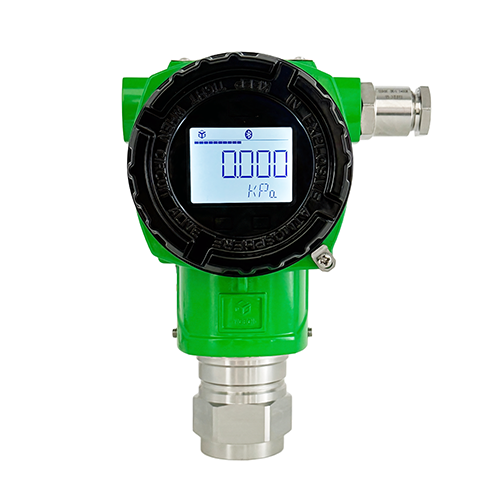
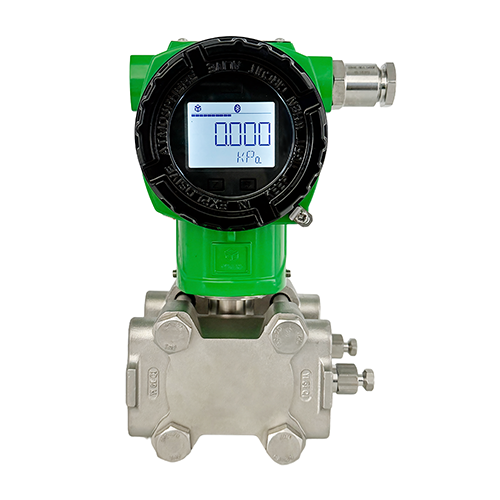
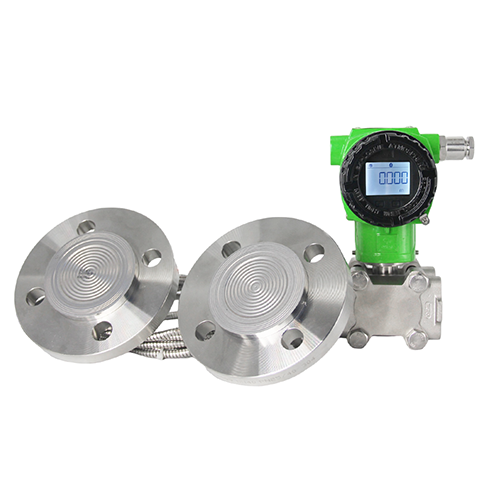
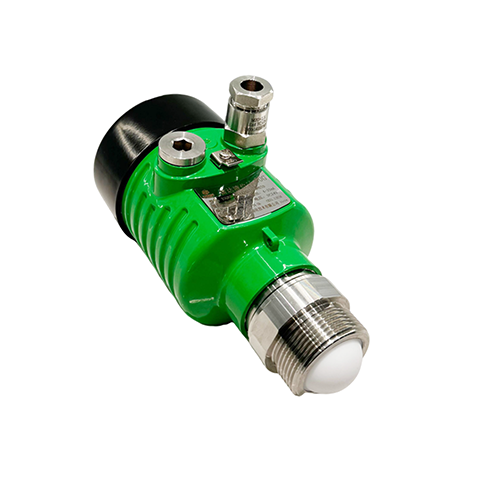
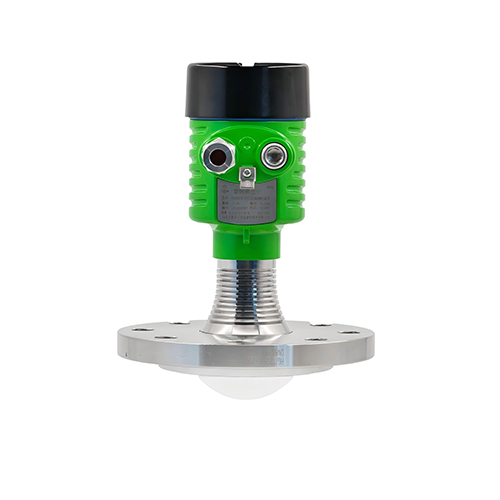
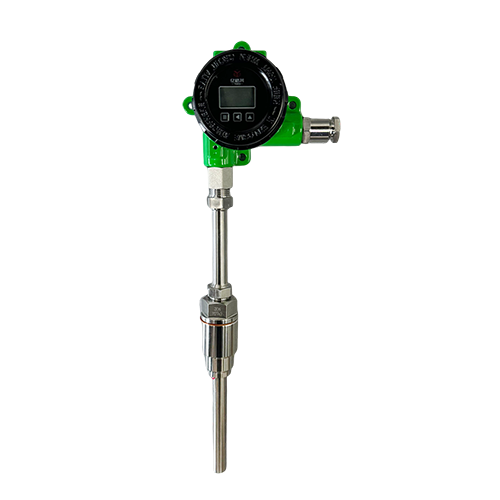
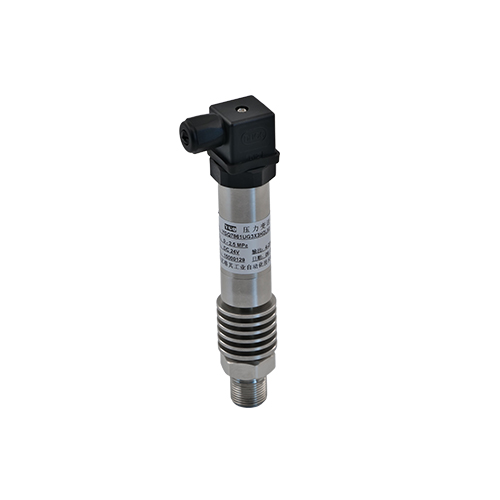
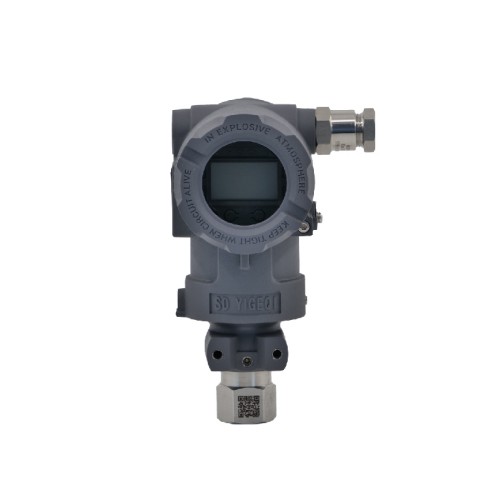
Radar level gauges have significant application value in the production of phenolic antioxidant intermediates, especially suitable for their complex process conditions and stringent measurement requirements. The following is a detailed application analysis.
Application Advantages
1. Non-contact Measurement
Radar level gauges emit microwave signals via antennas, eliminating the need for direct contact with materials and avoiding instrument damage or measurement interference caused by the corrosiveness, high temperatures, or adhesiveness of phenolic intermediates.
2. Strong Adaptability
Corrosion Resistance: The antenna material (e.g., PTFE sealed mirror + stainless steel flange) resists corrosion from phenols and organic solvents.
High Temperature and Pressure Resistance: Adaptable to the high-temperature (up to 300℃ and above) and pressure environments of equipment such as reaction vessels and distillation towers.
Anti-Adhesion: The small beam angle and concentrated energy of high-frequency radar (e.g., 78GHz) reduce interference from substances adhering to the vessel walls or agitators.
3. High Precision and Reliability
Measurement accuracy can reach ±1mm, enabling real-time monitoring of liquid or solid levels, ensuring process control and safe production.
Typical Application Scenarios
1. Reactor Level Monitoring
Phenolic intermediate synthesis often takes place in reactors. Radar level gauges can monitor liquid level changes in real time, automatically controlling feeding, discharging, or reaction time in conjunction with a DCS system.
2. Distillation/Rectification Column Level Control
During separation and purification processes, accurate measurement of the column bottom level prevents overflow or dry burning, ensuring product quality and equipment safety.
3. Intermediate Storage Tank Inventory Management
Monitoring the liquid levels in raw material and intermediate product tanks enables inventory management and automated conveying.
4. Solid Material Silo Monitoring
Some intermediates are stored in powder or granular form. Radar level gauges can measure solid material levels (such as BHT intermediate crystals).
Selection and Installation Recommendations
1. Frequency Selection
High-frequency radar (78GHz): Suitable for measuring most intermediate liquids or powders, with a small beam angle and strong anti-interference capability.
Low-frequency radar (6.3GHz): Suitable for large storage tanks or materials with low dielectric constant (ε<2), but note that the antenna size is relatively large.
2. Antenna Types
PTFE mirror antenna: Suitable for liquid, solid, and powder silo measurements.
Guided wave radar (caution required): Only suitable for non-adhesive, non-corrosive media. Phenolic intermediates may adhere to the waveguide cable, affecting measurements.
3. Installation Precautions
Avoid interference sources such as feed inlets, agitators, or heaters.
Ensure the antenna is perpendicular to the surface of the measured medium.
Install a radar waveguide if necessary to reduce interference from steam, foam, or dust.
Challenges and Solutions
1. Foam or Steam Interference
Foam or steam may be generated during the reaction process, affecting signal reflection. A radar with "false echo suppression" function can be selected, or this can be avoided by adjusting the installation angle (e.g., tilting the installation).
2. Low Dielectric Constant of the Medium
Some organic intermediates have low dielectric constants, which may cause signal attenuation. A high-frequency radar can be selected and the installation optimized to ensure signal reflection strength. 3. Impact of Adhesive Materials
After prolonged operation, the antenna may become adhered to by material. Regular cleaning or the use of a self-cleaning antenna (such as a parabolic antenna) is necessary, along with alarm settings.
Integration and Intelligentization
Radar level gauges can be connected to DCS/PLC systems via HART, RS485, and other protocols to achieve:
• Automated Control: Interlocking with reactor feed valves, agitators, or heating systems.
• Safety Warnings: Setting high and low level alarms to prevent overflow or dry running.
• Data Traceability: Recording historical data to optimize production processes and quality control.
